 image sourced from original article at
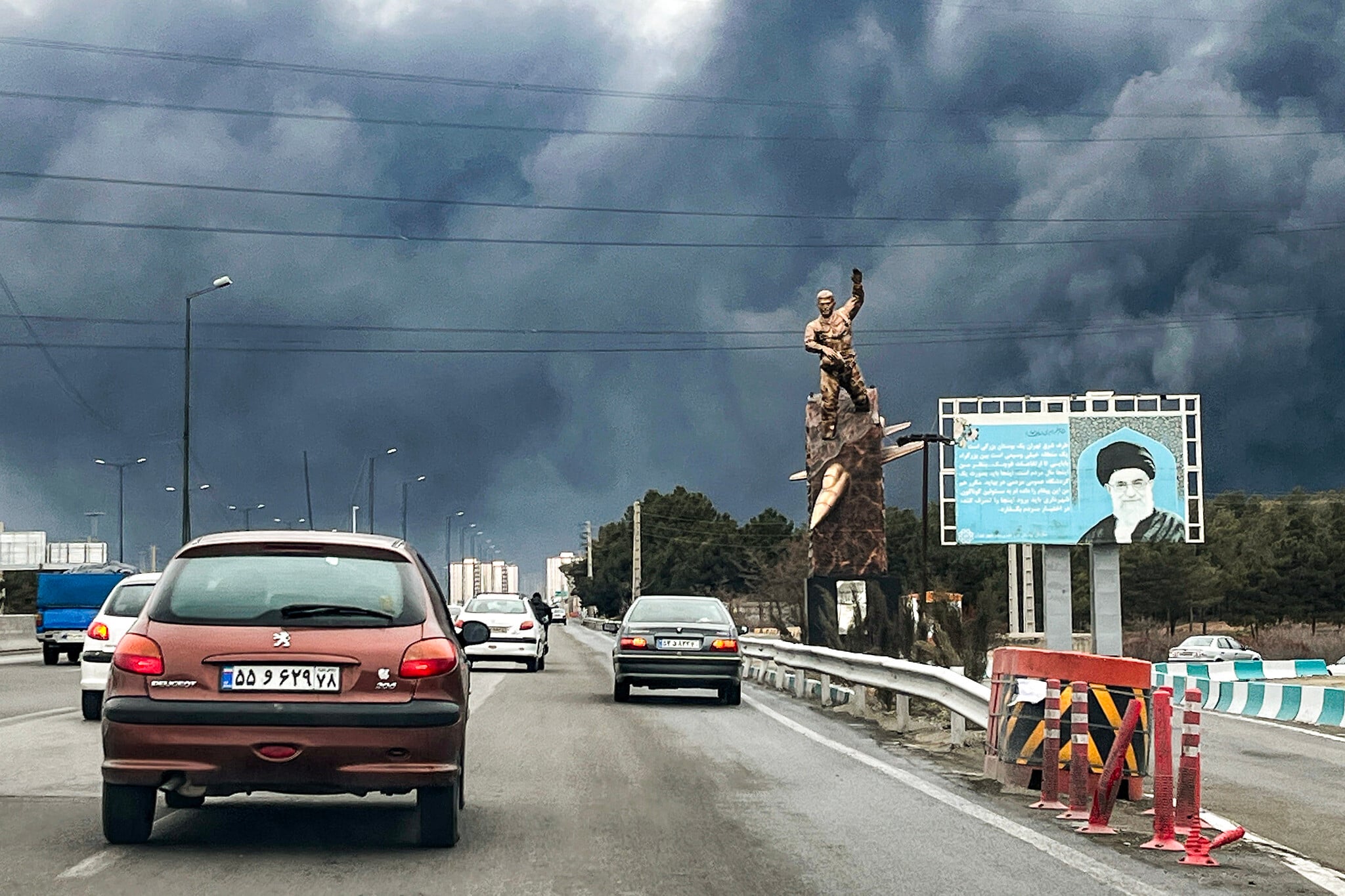
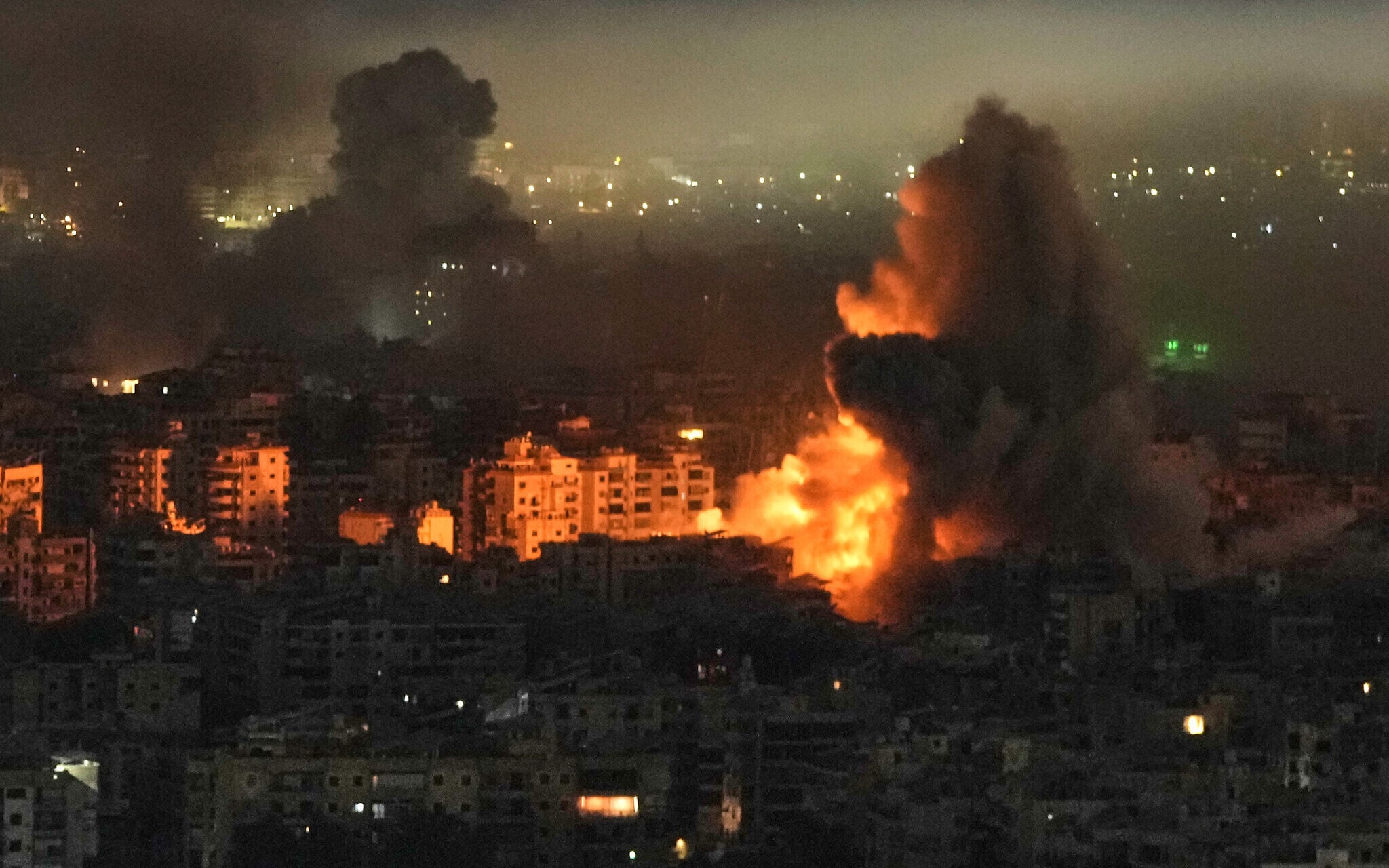
 Iran appears to be preparing for a prolonged war of attrition despite suffering severe early losses, including the death of its supreme leader and the destruction of much of its navy. In recent days, Tehran has escalated attacks across the Middle East, increasingly targeting oil tankers and energy infrastructure in an apparent attempt to raise the cost of military action by Israel and the United States. So far, this approach has largely unified Gulf states against Iran, with several seeking condemnation through the United Nations rather than joining the conflict directly.
Tehran may believe it can endure sustained pressure by drawing lessons from other modern conflicts. Analysts suggest Iranian leaders are studying the prolonged war between Russia and Ukraine, where early expectations of a swift victory gave way to a grinding stalemate. Iran may see parallels in Ukraine’s ability to absorb heavy strikes and stabilize its position, concluding that strategic depth and resilience could allow it to survive a long confrontation.
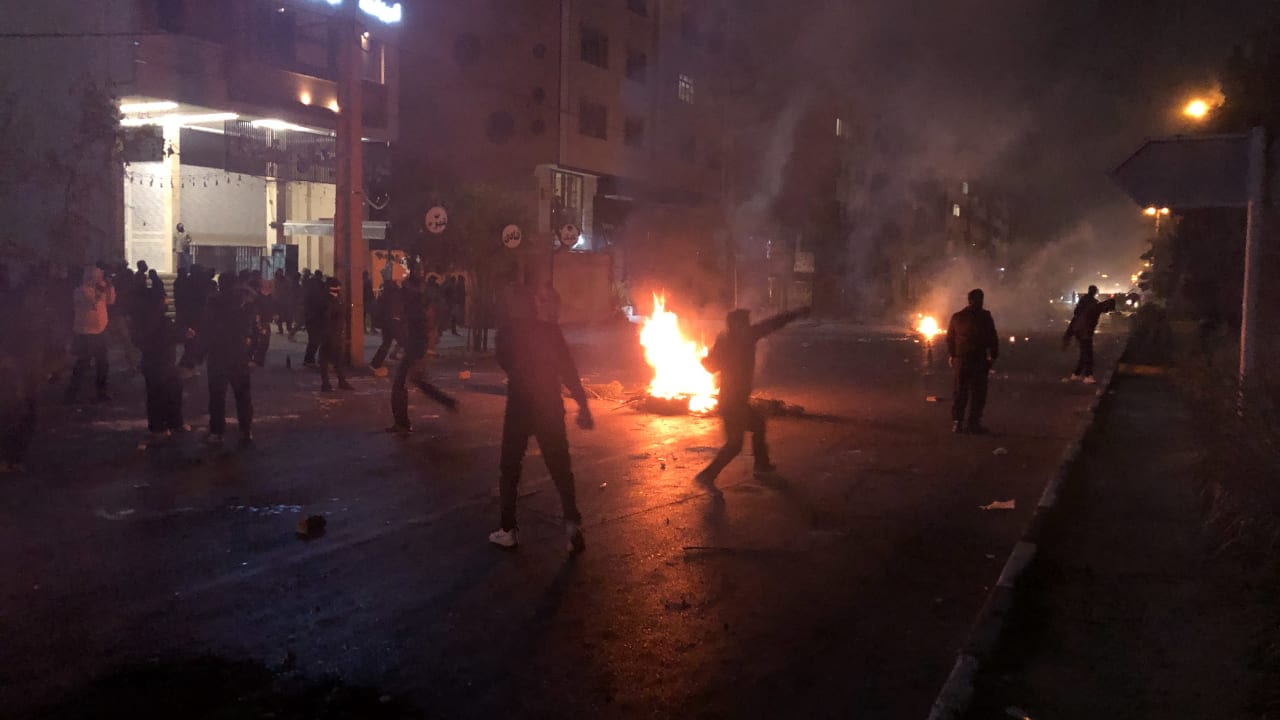
Other historical examples may also shape Iran’s calculations, including the North Atlantic Treaty Organization bombing campaign against Serbia in the 1990s and the United States led air war against Iraq in 1991. In both cases, governments endured intense aerial assaults and, at least temporarily, maintained power. Iranian leaders may believe their regime can similarly withstand months of strikes and internal unrest, betting that survival through a drawn out conflict will ultimately preserve their hold on power despite international isolation.