 image sourced from original article at
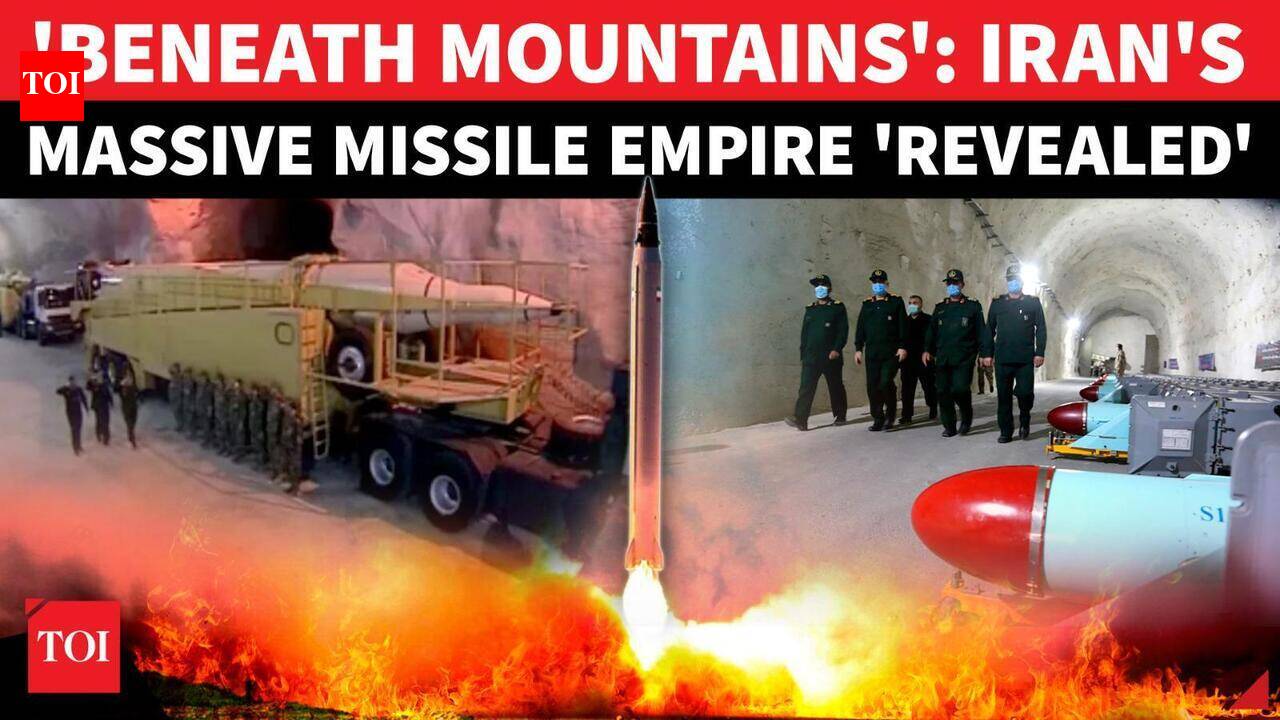
 Iran's leadership is preparing for potential conflict with the United States even as nuclear negotiations continue in Geneva. President Donald Trump has warned that failure to reach a deal would have severe consequences, while American military forces build up in the Middle East. In response, Tehran is repositioning missile systems, conducting naval drills near the Strait of Hormuz, and restructuring command systems to ensure continuity if senior leaders are targeted.
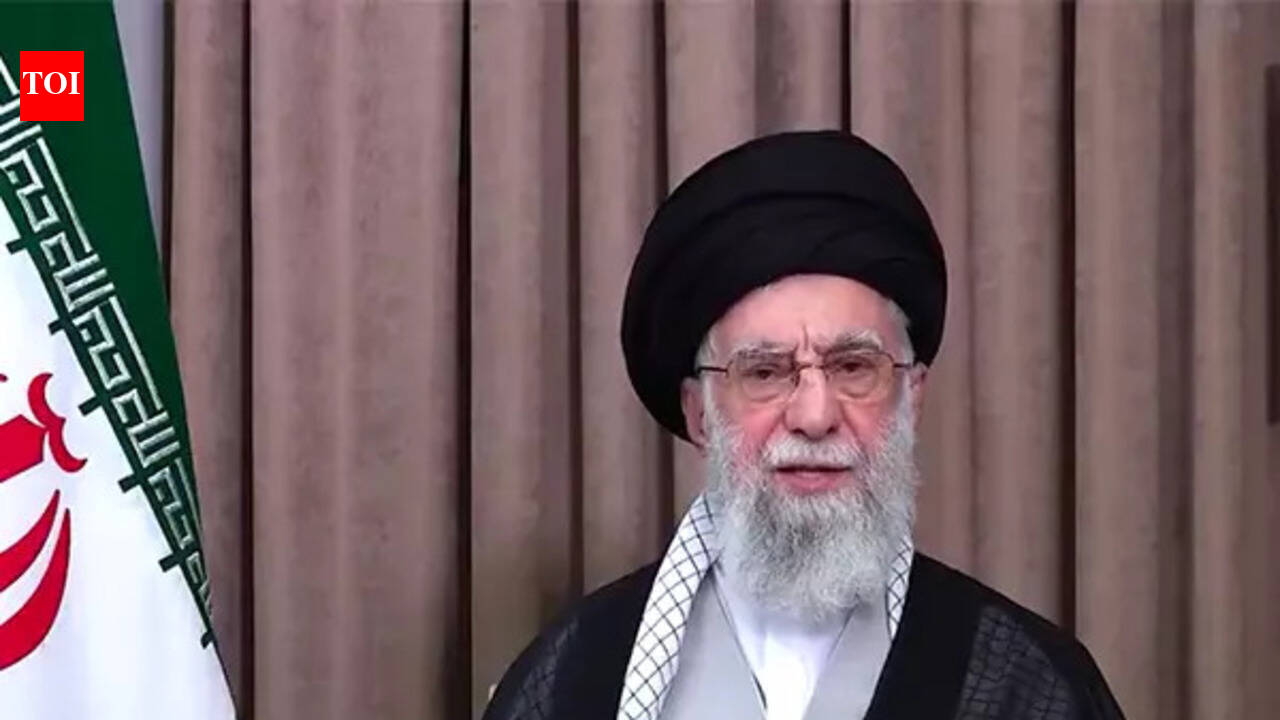
At the center of this strategy is Supreme Leader Ayatollah Ali Khamenei, who is prioritizing regime survival. Authority has increasingly consolidated around trusted security figures tasked with managing diplomacy, suppressing unrest, and preparing for war. Iran has revived decentralized military command structures to prevent a leadership decapitation scenario and ensure rapid retaliation if attacked.
Iran’s deterrence strategy relies on ballistic missiles, maritime disruption, and the threat of targeting regional bases and shipping lanes. Officials have warned that foreign military assets in the region would be considered legitimate targets in the event of an हमला. Military exercises and public statements are designed to signal that Tehran can impose significant costs on its adversaries.
At the same time, the government has intensified domestic security measures to prevent internal unrest during any external conflict. Student protests and dissent have been met with expanded surveillance and arrests. As diplomatic talks proceed, Iran appears to be operating on the assumption that negotiations may fail, building both military and internal safeguards to withstand and outlast a potential war.