 image sourced from original article at
 Businesses across Asia are bracing for another year of turmoil after the United States Supreme Court struck down a key legal basis for President Donald Trump's sweeping tariff regime. Instead of bringing relief, the ruling has deepened uncertainty, as the president quickly introduced a new global tariff using alternative legal authority and signaled further changes could come. Companies say the constantly shifting rules are making it nearly impossible to plan investments, set prices or decide where to produce goods.
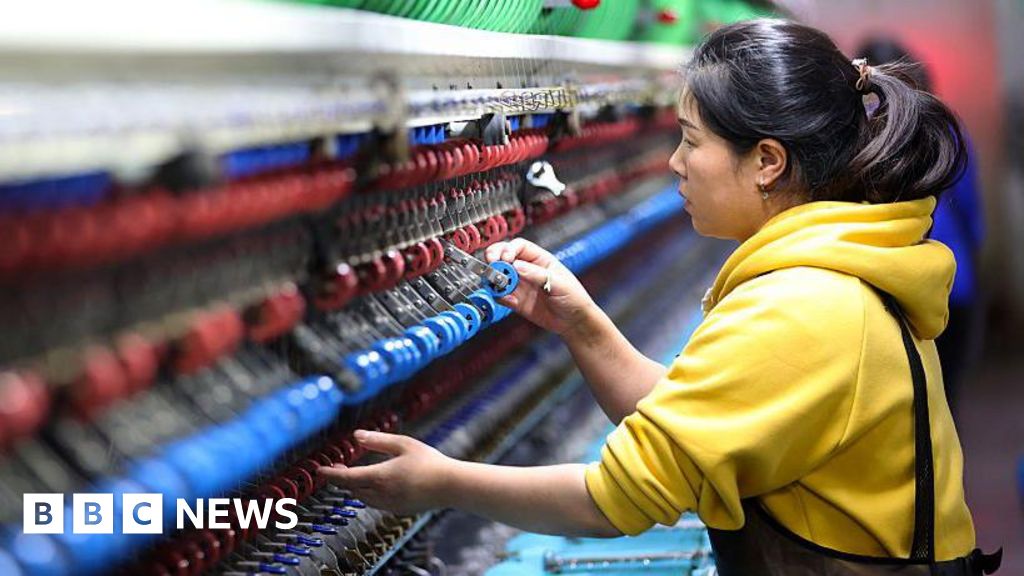
Manufacturers and exporters in countries such as Thailand and Singapore report cancelled orders, renegotiated contracts and rising costs since the initial tariffs were announced last year. Many firms say uncertainty, rather than the tariff rate itself, is hurting business confidence. Without clarity on future costs, companies are struggling to price products and are holding back on major supply chain decisions that typically require years of planning.
The disruption is rippling through logistics providers and prompting legal challenges from major delivery firms seeking refunds of previously collected duties. At the same time, companies are accelerating efforts to diversify beyond the United States, expanding into markets in Southeast Asia, the Middle East, Europe and Canada in an attempt to reduce exposure to American trade policy shifts.
Despite efforts to reduce reliance on China, businesses say the country remains central to regional manufacturing because of its scale and cost advantages. Some exporters worry that prolonged uncertainty could ultimately reinforce China’s dominance rather than weaken it. For many Asian firms, the only certainty is continued instability as trade tensions and policy changes reshape global supply chains.