 image sourced from original article at
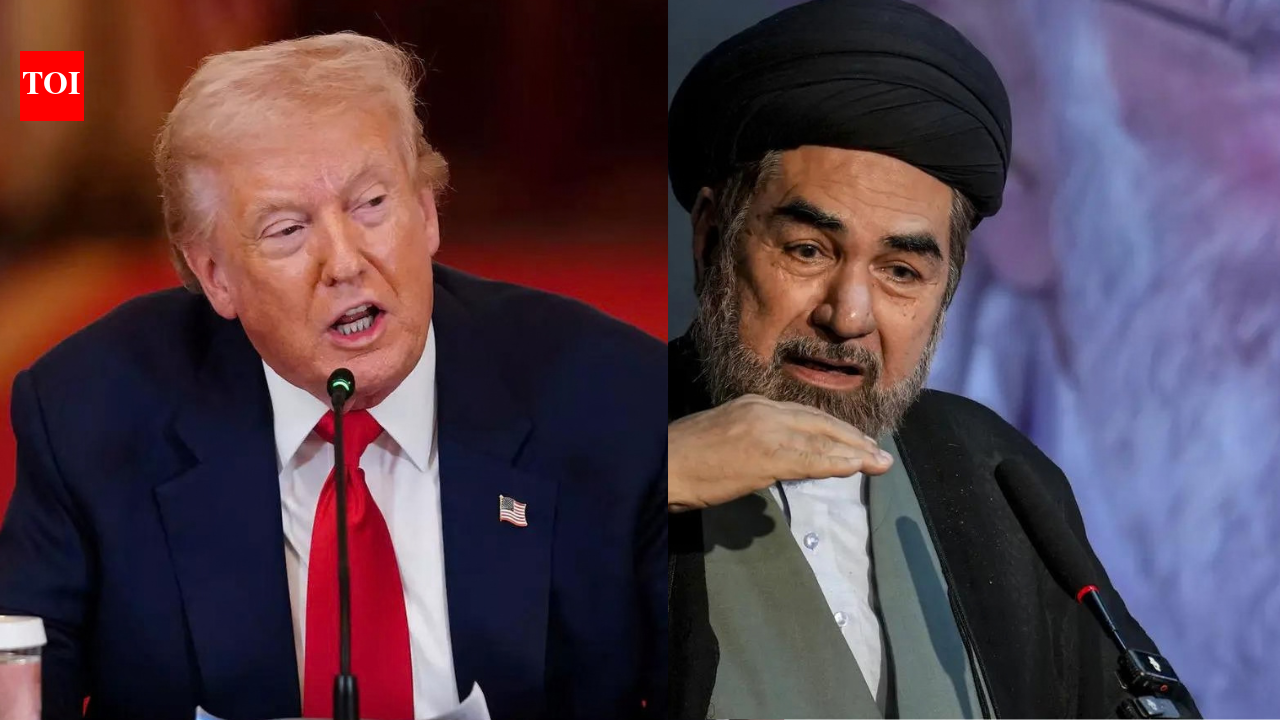
 On the eleventh day of the war between the United States and Iran, the gap between military damage and political outcome is widening. President Donald Trump says the campaign has dealt devastating blows and could end very soon, while Iran’s leadership signals it is prepared to continue fighting. The conflict is increasingly becoming a test of endurance rather than a short and decisive confrontation.
Iran’s strategy appears focused on outlasting Washington and Israel through attrition, missile pressure and disruption of energy markets. Tehran believes it does not need outright military victory, only the ability to endure and raise the economic and political costs of continued war. Despite heavy strikes, Iran’s leadership and security forces remain intact, allowing it to frame survival itself as a form of success.
Trump, however, faces mounting domestic pressure. Public approval for the war is low, and rising oil and gasoline prices threaten to fuel inflation and political backlash ahead of elections. His recent shift in tone from demanding unconditional surrender to suggesting the mission is largely complete has fueled speculation that he may seek a face saving exit if economic strain deepens.
The central question is who will blink first. Iran may be militarily weaker but appears willing to absorb punishment if it can strain Western resolve. Trump retains greater military leverage, yet he may feel stronger pressure to redefine success and move toward de escalation, particularly if energy prices climb and voter anxiety grows.