 image sourced from original article at
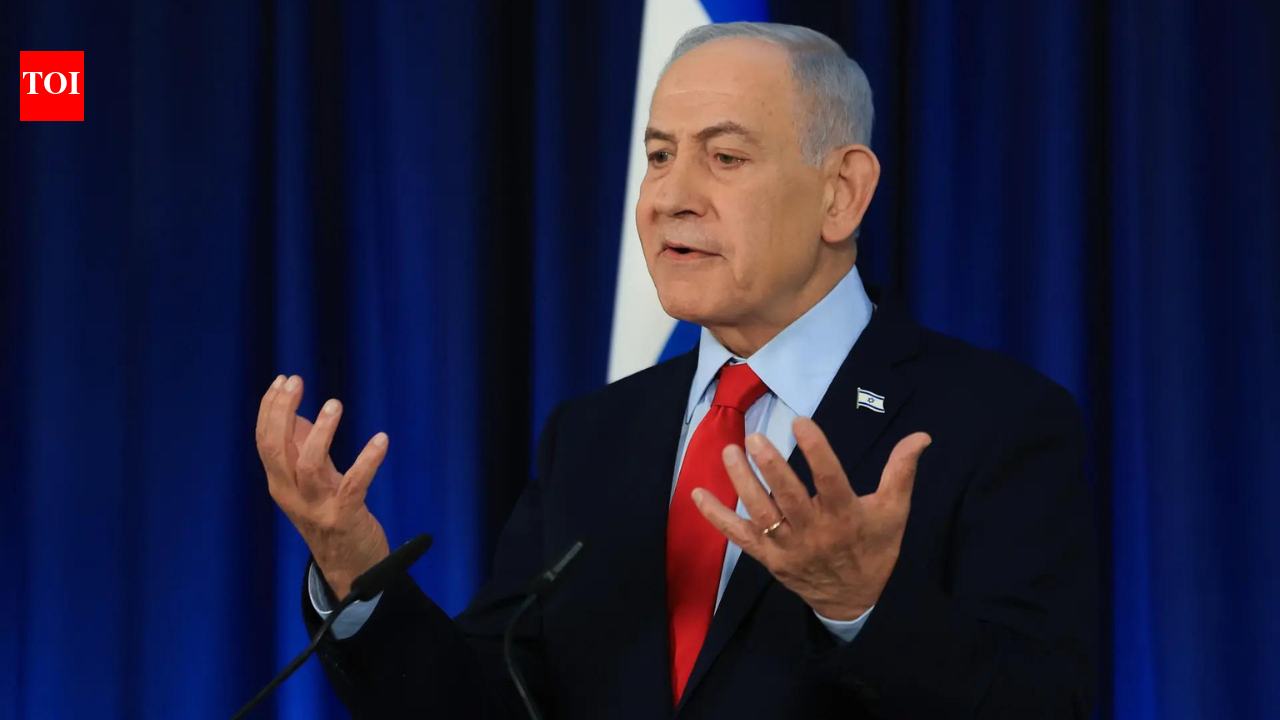
 Israeli Prime Minister Benjamin Netanyahu delivered a wide-ranging defence of the ongoing war with Iran, portraying it as a defining global struggle rather than a regional confrontation. Speaking as the conflict nears its third week, he argued that Israel, working in partnership with the United States, is confronting what he described as an existential and civilizational threat. The war has intensified following Iranian strikes on key energy infrastructure across the Gulf, unsettling global markets and prompting international calls for restraint.
Netanyahu asserted that the military campaign is advancing faster than expected and has significantly weakened Iran’s capabilities. While he stopped short of predicting the collapse of Iran’s leadership after the killing of Supreme Leader Ali Khamenei, he pointed to signs of internal instability and said Israel is working to create conditions that could further destabilize the regime. He maintained that even if the leadership survives, it will emerge far weaker.
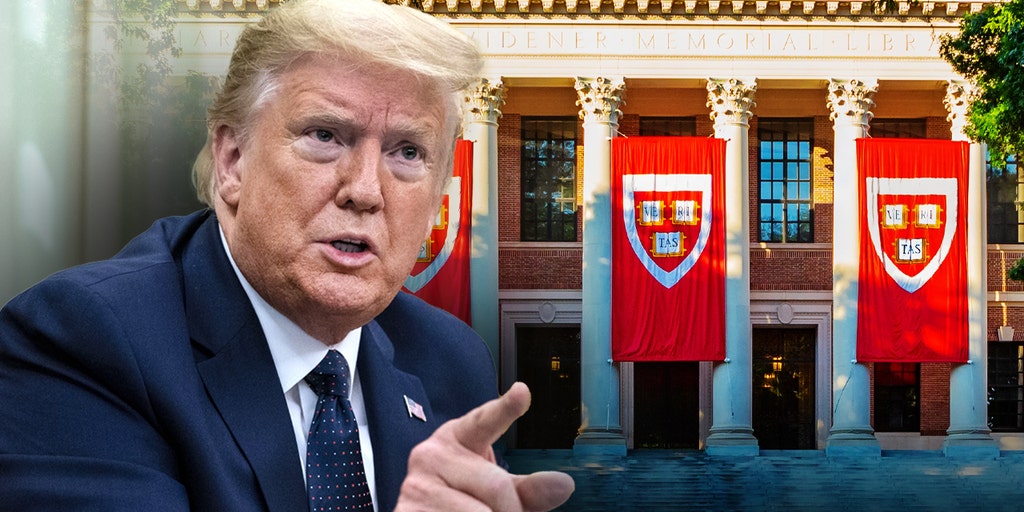
Addressing criticism in the United States, Netanyahu rejected claims that Israel had drawn Washington into the conflict, describing the partnership as strategic and mutually necessary. He emphasized that Israel acted alone in a strike on a major gas facility and said future actions were adjusted at the request of President Donald Trump. Framing the war as a broader fight between democracies and what he called ruthless forces, Netanyahu argued that the cost of inaction would be far greater than the economic and political toll of continued military operations.