 image sourced from original article at
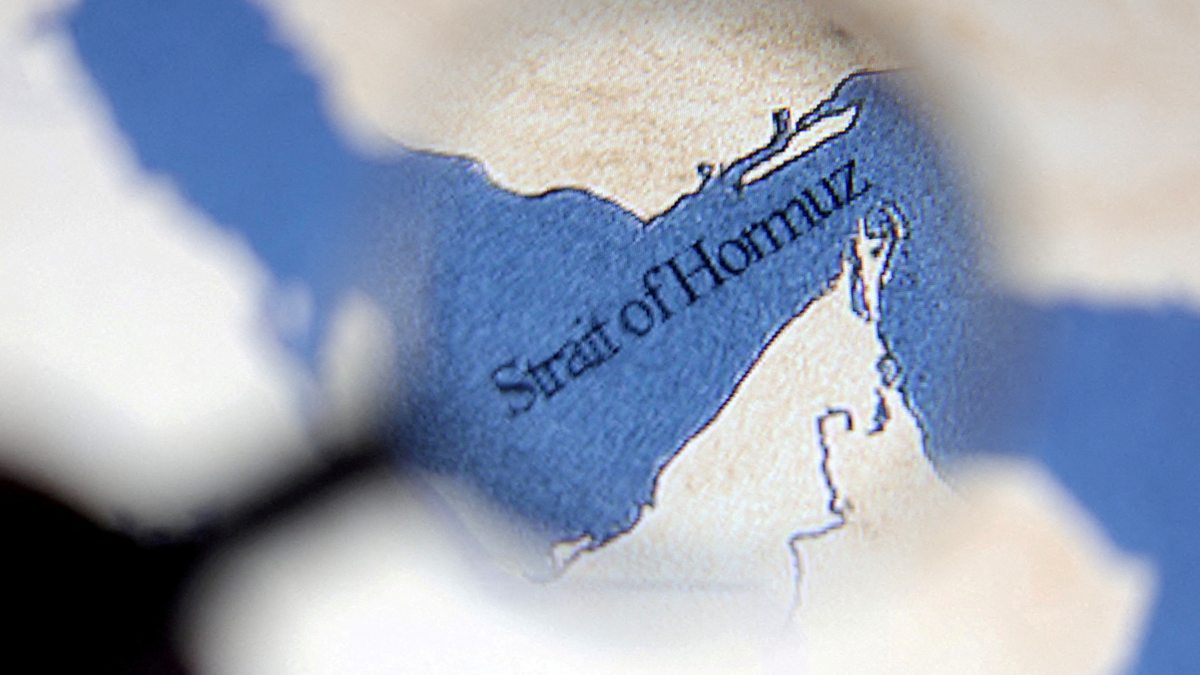
 The outbreak of war in the Middle East has triggered sharp volatility across global markets, disrupting oil supplies, trade flows and aviation routes. Stock markets have fallen, oil prices have surged, airlines and travel companies have suffered losses, and gold initially climbed close to record highs as investors sought safe havens. While markets have been unsettled, many diversified investors have so far avoided severe damage.
Much depends on how long the conflict lasts and whether oil prices rise significantly further. Higher energy costs could fuel inflation, weigh on economic growth and delay interest rate cuts, particularly in energy-importing countries. However, analysts suggest that oil prices would need to climb substantially higher and remain elevated before posing a serious threat to global growth or triggering a prolonged market downturn.
Experts urge investors not to panic and to maintain diversified portfolios spread across sectors and regions. Gold and certain commodities may provide inflation protection, while bonds could face turbulence if inflation expectations rise. Periods of fear can also create selective buying opportunities, especially for investors who keep cash available and stick to a disciplined long-term strategy rather than reacting emotionally to short-term market swings.