
 image sourced from original article at
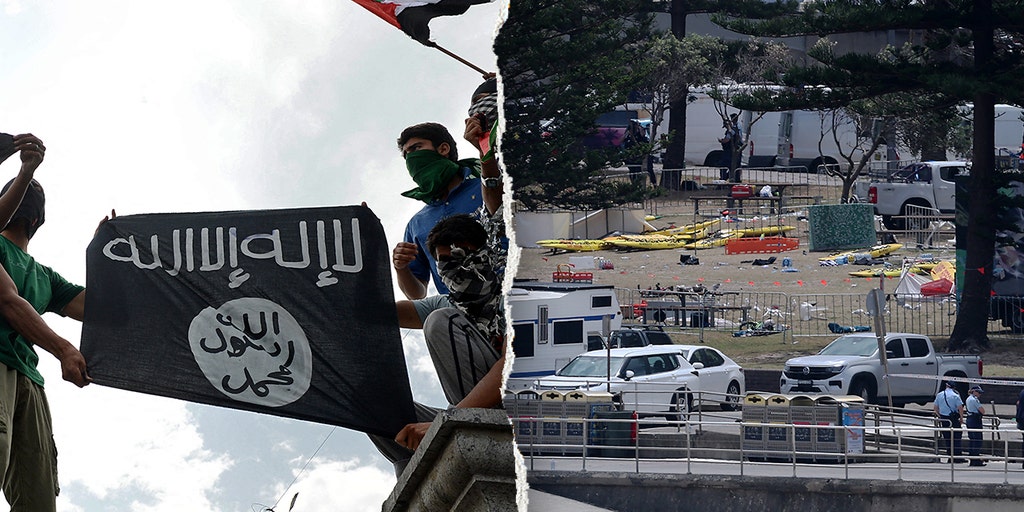
 The recent terror attack at Bondi Beach, Australia, which claimed 15 lives, has reignited global concerns about the resurgence of jihadist networks. Experts and intelligence officials warn that groups like the Islamic State remain active and capable of recruiting and radicalizing individuals, despite Western governments often declaring them weakened or defeated. The attack has been linked to broader patterns of escalating plots worldwide, with analysts noting a rise in targeting religious minorities and increased radicalization following the Israel-Hamas conflict.
Authorities revealed that the attacker had longstanding ties to extremist figures and organizations, challenging the notion of 'lone wolf' actors and highlighting the interconnected nature of global jihadist movements. Intelligence sources emphasize that the threat is not limited to one group, but spans a web of actors adapting quickly to exploit vulnerabilities in Western societies. Experts caution that ongoing conflicts and migration patterns are contributing to a heightened internal risk, urging governments to recognize the persistent and evolving nature of the terrorist threat.