 image sourced from original article at
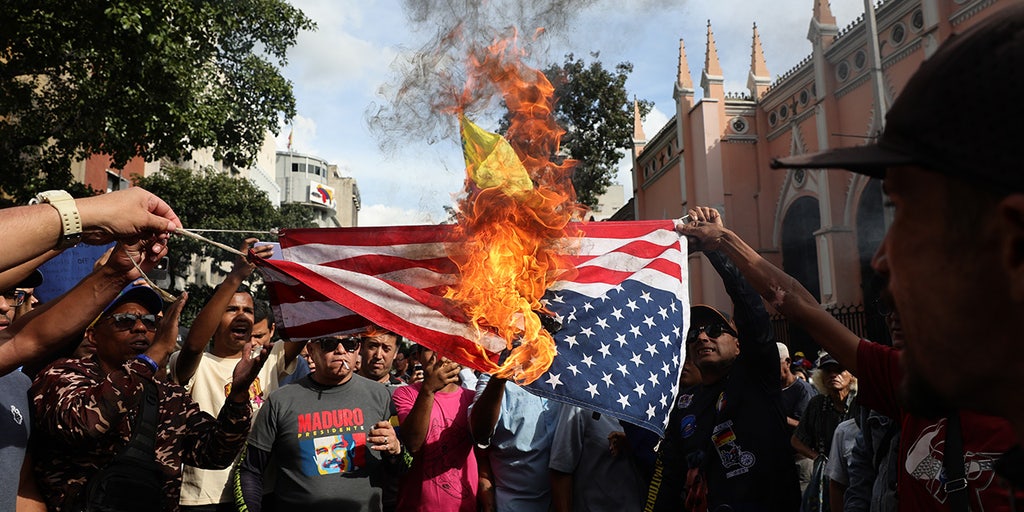
 President Donald Trump has taken a bold interventionist stance in Venezuela, authorizing a large-scale military strike that led to the capture of Nicolás Maduro and his wife. This marks a significant shift from his previous promises to end 'endless wars,' as the United States now plans to oversee Caracas until a safe transition can occur. The move has sparked debate in Congress, with most Republicans supporting the action and Democrats warning of a potential new prolonged conflict.
Trump has signaled that similar approaches may be taken with other Latin American countries, referencing Cuba and Colombia as possible future targets. He has revived the Monroe Doctrine, rebranding it as the 'Don-roe Doctrine,' to justify increased American influence in the region. Critics have raised concerns about the legality and constitutionality of the operation, which was conducted without Congressional approval, while supporters argue it aligns with Trump's 'America First' agenda.
The operation has exposed divisions within both parties, with some Republicans voicing skepticism and Democrats questioning the precedent set by bypassing Congress. As the United States assumes control in Venezuela, the international community watches closely to see how this intervention will reshape power dynamics in Latin America.