 image sourced from original article at
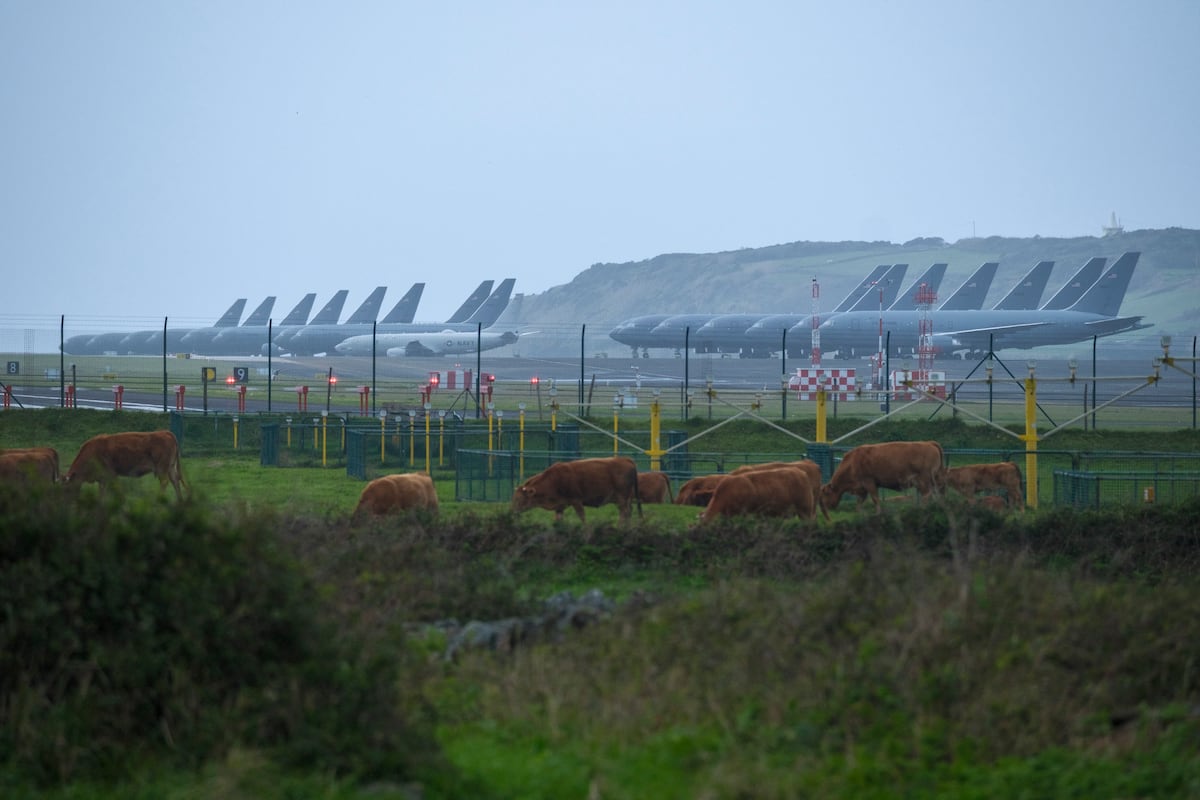
 The United States has assembled its largest concentration of airpower in the Middle East since the 2003 invasion of Iraq as tensions with Iran rise. Carrier strike groups, fighter squadrons, missile defense batteries, submarines, and stealth bombers are being positioned across the region, but the buildup has taken six to seven weeks to complete. The lengthy deployment underscores a central challenge: meaningful airpower depends on mass and persistence, not just advanced aircraft.
The article argues that expanding the United States Air Force with ever more sophisticated and costly crewed aircraft will not solve this problem. Many critical missions, including missile defense and electronic warfare, are increasingly carried out by the Army and Navy. Airpower today is a joint effort, with surface ships, submarines, and ground-based interceptors playing roles as important as fighter jets.
Strategic success, the author contends, requires sustained pressure rather than short bursts of devastating strikes. Persistent presence demands large stockpiles of affordable munitions, lower-cost drones that can absorb losses, and uncrewed refueling aircraft to keep operations going. Until budget priorities shift toward these capabilities, the United States will continue investing in high-end platforms while underfunding the sustained airpower needed to achieve lasting results.