 image sourced from original article at
 President Donald Trump's second term has been marked by a sharp turn from his long-held promise to end America's 'endless wars.' After building his political identity as a 'peace president' who would resist foreign interventions, Trump has instead overseen major military operations in Venezuela and Iran, while also issuing territorial threats toward Greenland, Mexico, and Canada. His actions signal a forceful, nationalist approach that blends unilateral power with high-stakes brinkmanship.
In Venezuela, United States forces carried out a rapid operation that led to the capture of President Nicolas Maduro, an action the White House described as a counternarcotics mission. Critics called it regime change, arguing it reflected a broader strategy to assert dominance in the Western Hemisphere, particularly as Caracas strengthened ties with Moscow and Beijing. The move underscored Trump's willingness to use military force to reinforce regional influence.
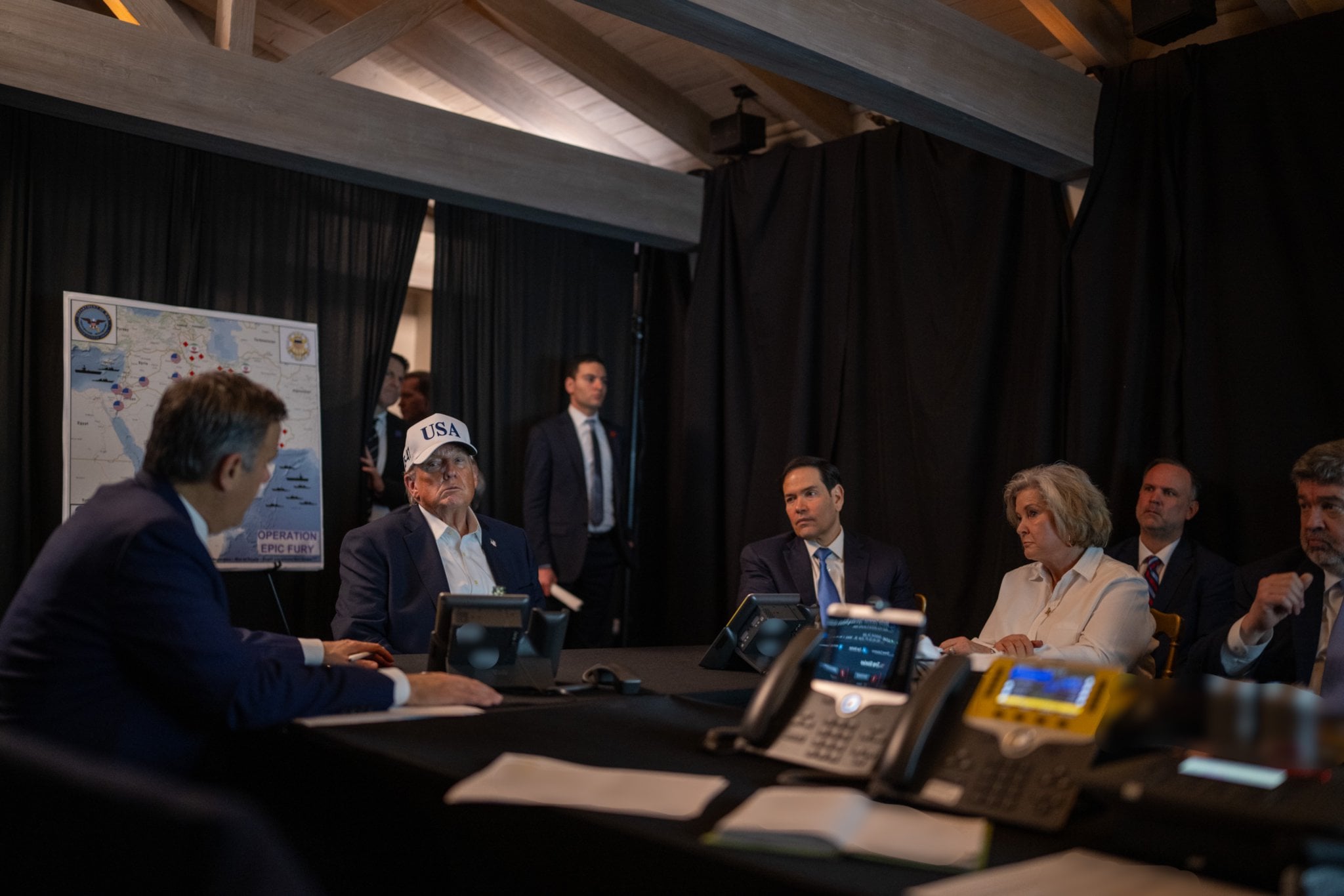
The most consequential shift has come in Iran. After previously declaring that strikes in 2025 had destroyed Tehran's nuclear capabilities, Trump later authorized a sweeping joint assault with Israel targeting nuclear and missile sites and senior leaders. While the administration argues Iran attempted to rebuild its program, intelligence assessments had suggested it was not actively pursuing a weapon, raising questions about the immediacy of the threat.
Trump frames these actions as necessary to secure peace through strength, equating stability with overwhelming dominance rather than negotiation. Supporters view his approach as decisive leadership that restores deterrence, while critics see growing military entanglements and strained alliances. The result is a presidency defined by the paradox of a leader who rose opposing foreign wars yet now reshapes global affairs through force.