 image sourced from original article at
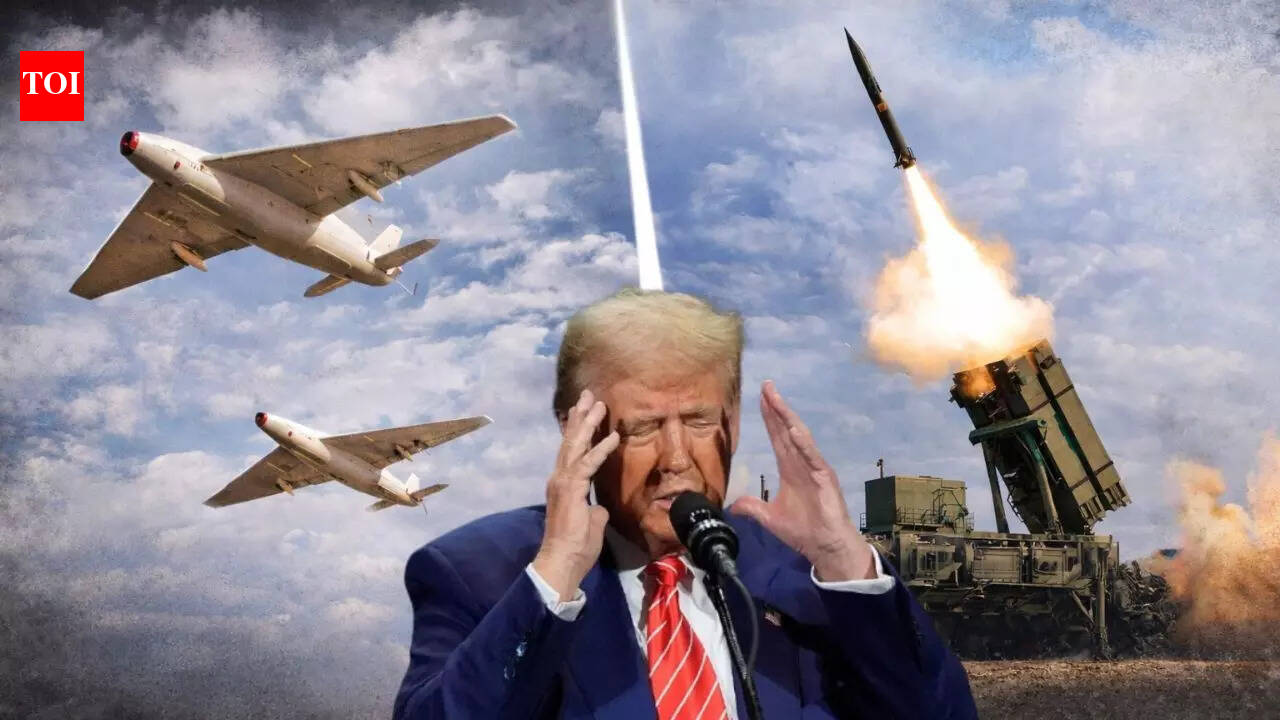
 The escalating conflict between the United States, Israel and Iran has taken on the characteristics of a war of attrition, with both sides launching waves of missiles, drones and air strikes. A central focus has become Iran's use of low-cost Shahed drones, which are forcing the United States and its regional partners to use far more expensive Patriot air defence missiles to intercept them. While interception rates have reportedly remained high, the financial imbalance is drawing increasing concern among military planners.
Iran's strategy appears aimed at overwhelming air defence systems by launching large numbers of inexpensive drones from mobile platforms. Each drone, costing between 20,000 and 50,000 dollars, can compel defenders to fire interceptor missiles worth around 4 million dollars each. Analysts say Tehran may be conserving its ballistic missiles while relying on drones to exhaust enemy stockpiles and test political resolve across the Gulf region.
The Shahed drones are relatively simple, long-range loitering munitions capable of travelling up to 2,500 kilometres and carrying explosive payloads of up to 60 kilograms or more. Their small size and swarm-launch capability make them difficult to counter efficiently. Meanwhile, production limits on interceptor missiles and the high cost of advanced systems raise concerns that defensive stockpiles could run low if attacks continue at the current pace.
At the same time, Iran's own air defences have reportedly been weakened by early strikes, allowing United States and Israeli aircraft to operate with limited resistance. Both sides signal caution about a prolonged war, but with thousands of projectiles already launched, analysts warn that the outcome may depend less on battlefield victories and more on which side can sustain its resources longer.