
 image sourced from original article at
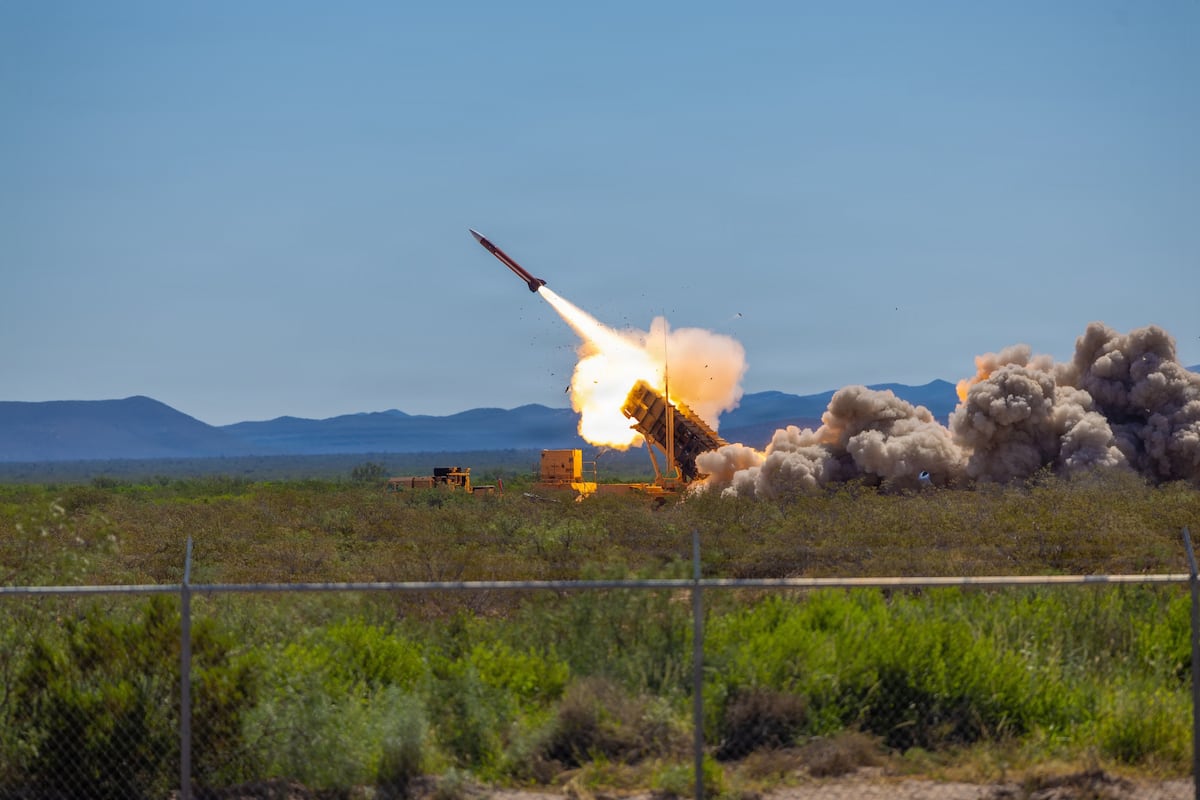
 The United States military is relying heavily on the Patriot air defense system as missile and drone attacks increase across the Middle East. The system uses powerful radar to scan the sky, detect incoming threats, and calculate their speed, altitude, and trajectory to determine whether they are likely to strike protected areas such as bases or population centers.
If a threat is confirmed, a launcher fires a Patriot Advanced Capability 3 interceptor missile toward a predicted intercept point. Guided by continuous radar updates, the interceptor adjusts its course midflight and ultimately destroys its target through a direct high speed collision, a method known as hit to kill. This precision makes it especially effective against ballistic missiles.
Patriot batteries operate as part of a layered defense that also includes the Terminal High Altitude Area Defense system, which can intercept ballistic missiles at higher altitudes and over wider areas. However, each Patriot Advanced Capability 3 interceptor costs millions of dollars, creating a costly imbalance when used against inexpensive drones. With a limited supply and production taking time to expand, sustained use in active conflict zones is raising concerns about whether inventory can keep pace with demand.