 image sourced from original article at
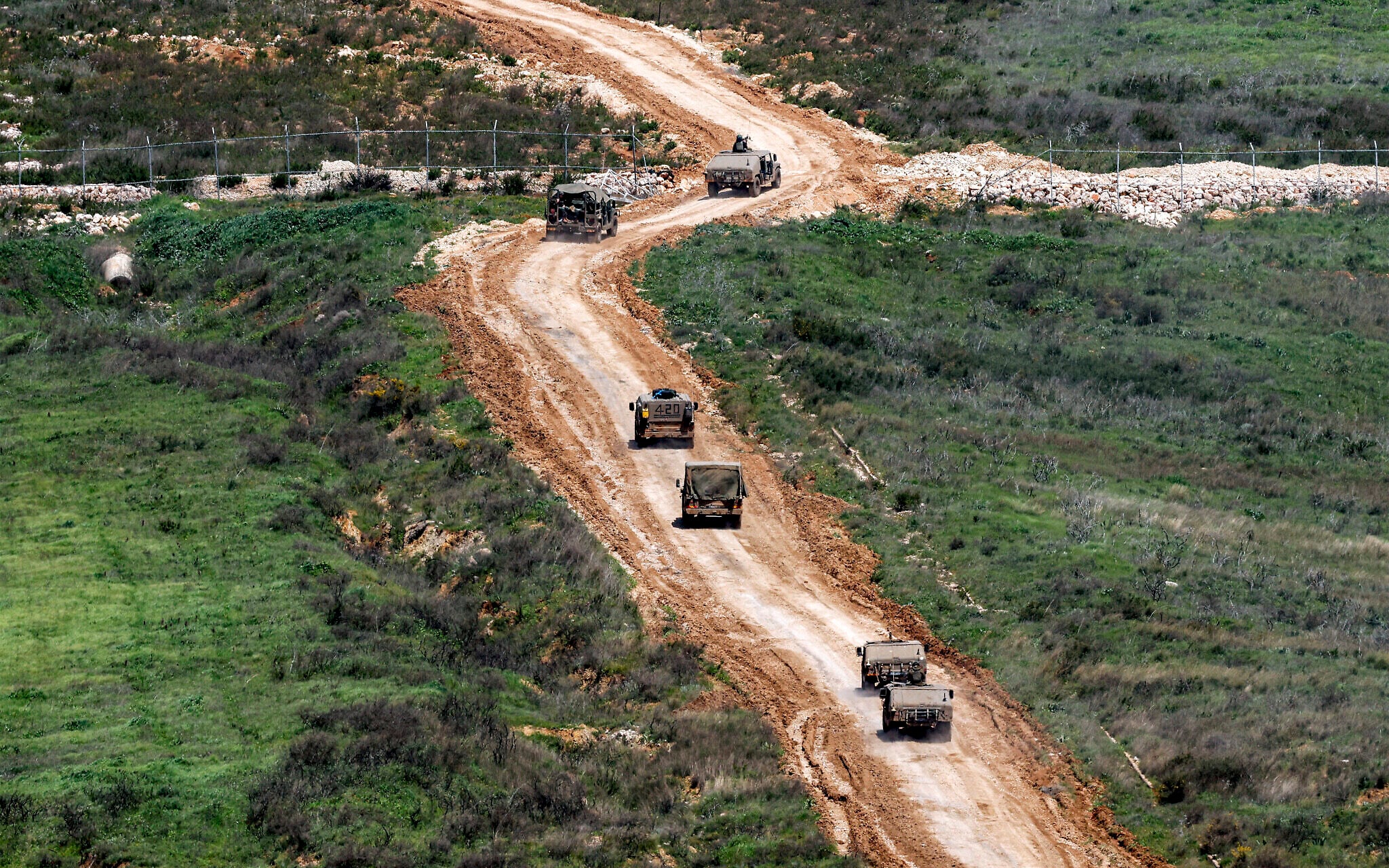
 At least 12 American soldiers were injured after an Iranian missile and drone strike on Prince Sultan Air Base in Saudi Arabia, marking one of the most serious escalations in the Gulf conflict. The attack damaged key military equipment, including two aerial refuelling aircraft, and exposed vulnerabilities in air defence systems. Since the conflict began in late February following a joint operation by Washington and Tel Aviv, at least 13 American service members have been killed and more than 300 injured.
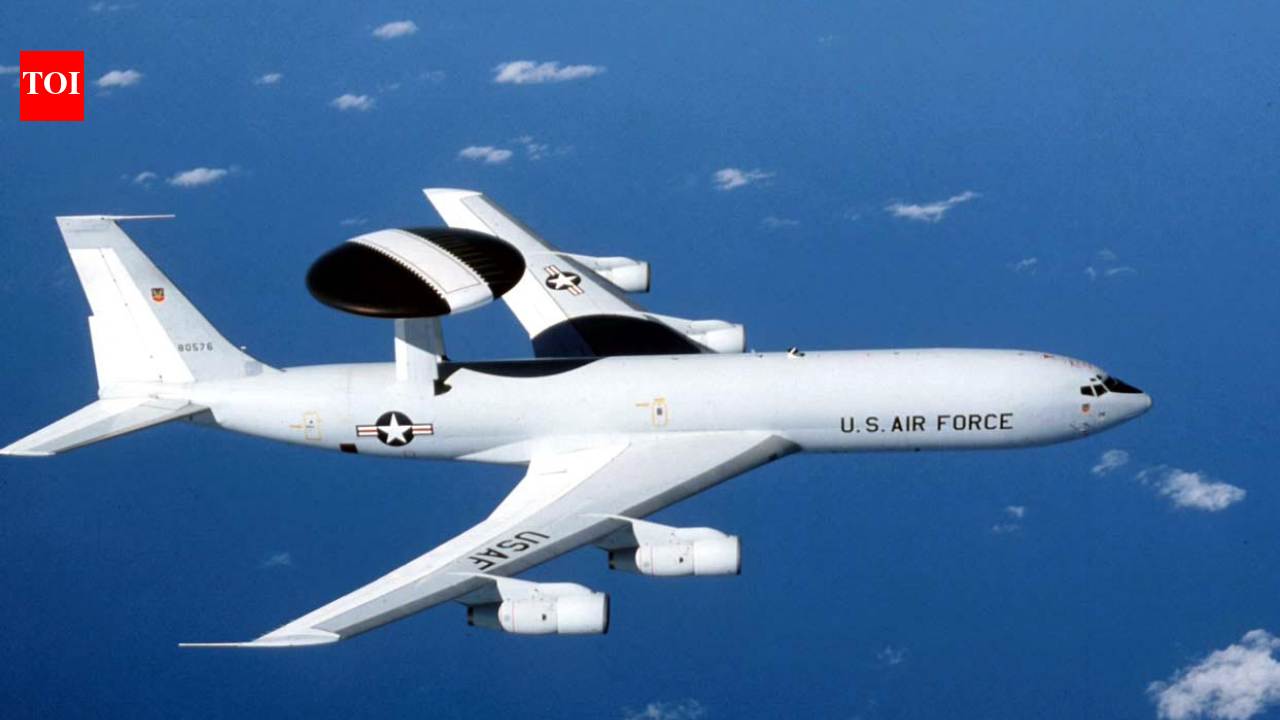
A critical asset in monitoring and managing such threats is the E-3 Sentry Airborne Warning and Control System, often described as an airborne command centre. Built on a modified Boeing 707 airframe, the aircraft carries a large rotating radar dome capable of tracking aircraft and missiles over a range of more than 250 miles, providing real-time surveillance and battle management.
Over time, the platform has received major upgrades to improve tracking, identification, computing systems and electronic surveillance capabilities, along with a modernised cockpit and navigation systems. Despite these improvements, the aircraft is increasingly viewed as outdated against evolving threats, and the United States Air Force is gradually replacing it with the more advanced E-7 Wedgetail system.