In response to the 1973 oil embargo, President Richard Nixon implemented a series of drastic measures to conserve energy, including the introduction of year-round daylight saving time in the middle of winter. This meant Americans began their workdays in darkness, with children waiting for school buses before sunrise and commuters navigating rush hour before daybreak. The oil crisis, triggered by a supply cut from oil-exporting nations during the Arab-Israeli War, forced the United States to confront its reliance on cheap energy. Nixon's measures also included lowering speed limits, encouraging carpooling, reducing airline fuel supply, and shifting industry back to coal, even at the expense of air quality. These changes marked a significant shift in the American way of life, as citizens were compelled to adapt to new routines and energy-saving practices.
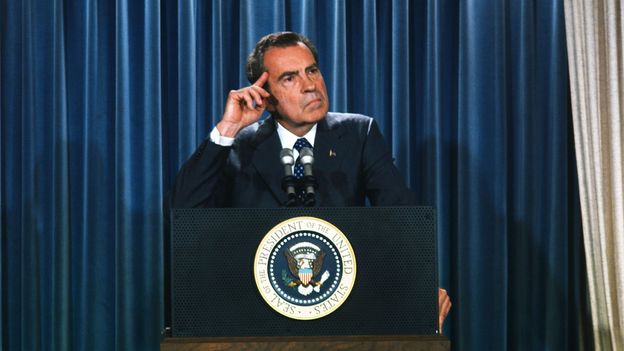 image sourced from original article at https://www.bbc.com/culture/article/20251231-how-the-1973-oil-crisis-made-nixon-rethink-time
Original article source: https://www.bbc.com/culture/article/20251231-how-the-1973-oil-crisis-made-nixon-rethink-time
Source Id: 2026-01-941361834