
 image sourced from original article at
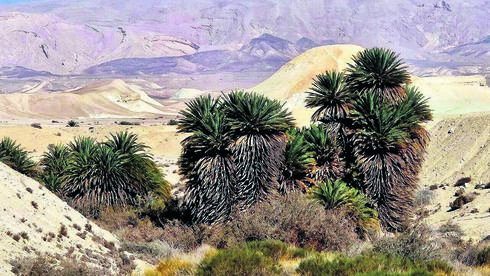
 Researchers have uncovered a wild palm grove in the Arava region that is thousands of years old and genetically linked to every domesticated date palm. This ancient colony, found at Ein Shaviv oasis, belongs to a rare species never before documented in the area and is considered the original date palm of the Land of Israel, predating human cultivation by millennia. The discovery emerged from a legal battle over industrial pollution, which threatened the survival of these unique trees and led to their genetic sequencing. The ancient palms, resilient and intertwined, offer new insights into the region's agricultural history and may hold traits valuable for future cultivation.
The study is part of a wider project exploring heritage trees in the Middle East, revealing that many ancient species, including grapevines and olives, have survived unchanged for centuries. Researchers hope that reviving these ancient plants will help preserve the region's agricultural legacy and provide new opportunities for sustainable farming. The findings highlight the importance of protecting these living fossils, which serve as a bridge between the past and the future of desert agriculture.