 image sourced from original article at
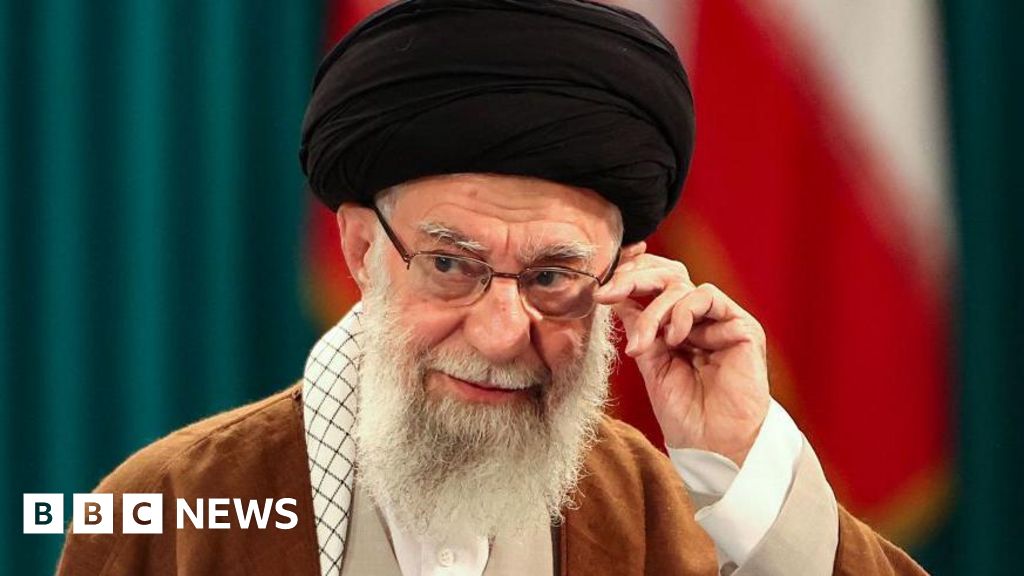
 United States President Donald Trump has announced that Ayatollah Ali Khamenei was killed on the first day of massive United States and Israeli air strikes on Iran, though Iranian authorities have not confirmed his death. If verified, it would mark the end of more than three decades of rule by one of the most powerful figures in the Islamic Republic, an office that serves as head of state and commander-in-chief of the armed forces. His reported death signals a potentially profound and uncertain turning point for Iran and the wider region.
Born in 1939 in Mashhad to a religious family, Khamenei rose from clerical studies and opposition activism against the Shah to become a central figure in the 1979 Islamic Revolution. He survived imprisonment, torture, and an assassination attempt before serving as president during the devastating war with Iraq. In 1989, he was chosen as successor to Ayatollah Ruhollah Khomeini and gradually consolidated authority across the political, military, and religious establishment.
Throughout his leadership, Khamenei maintained tight control over domestic politics, suppressing waves of protest in 1999, 2009, 2019, and again in 2026 with deadly force. Internationally, he presided over decades of tension with the United States and Israel, disputes over Iran's nuclear programme, and deepening ties with Russia and China. His uncompromising stance during renewed regional conflict and mounting economic unrest defined his final years in power, leaving unanswered questions about succession and Iran's future direction.