 image sourced from original article at
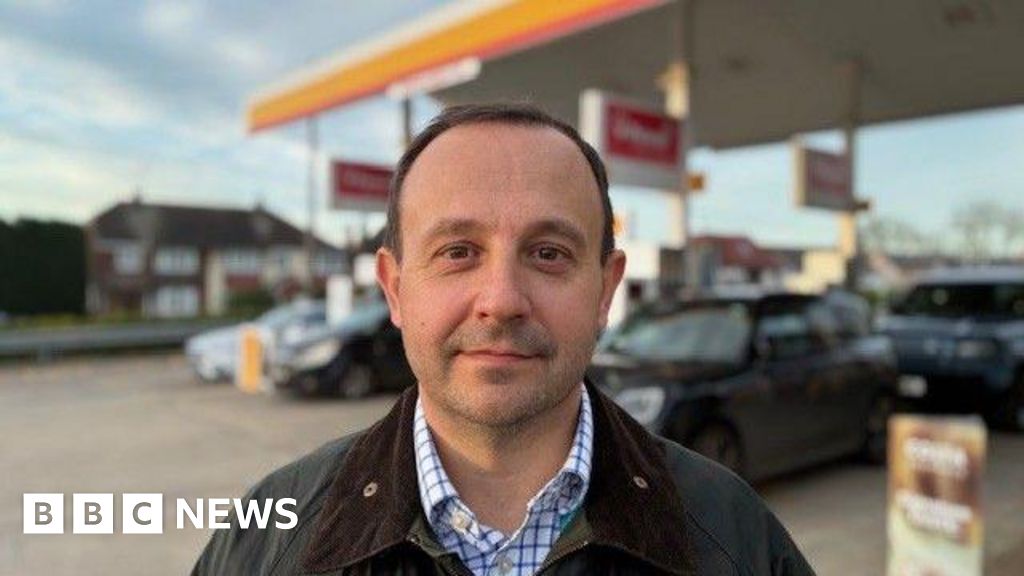
 Fuel prices have surged following the outbreak of war in the Middle East, pushing petrol to an 18-month high and diesel to its steepest rise in more than two years. Goran Raven, who runs a fourth-generation family petrol station in Romford, says the rapid increases have created one of the toughest trading periods his business has faced.
Unlike larger retailers that buy fuel in advance and in greater volumes, smaller independent stations often pay daily market rates. Raven says he frequently does not know the price of a delivery until it arrives, sometimes paying thousands of pounds more from one day to the next. With limited storage and little bargaining power, he says small businesses are forced to pass on rising wholesale costs.
As prices climb, Raven and his staff have faced anger and abuse from customers, along with an increase in fuel theft. Industry representatives have rejected claims of profiteering, arguing that many independent operators work on slim margins and may even lose money on certain fuels. Regulators are monitoring the market, while a new price comparison application aims to improve transparency for drivers.
Raven insists his station is not exploiting customers and says any savings will be passed on immediately if wholesale costs fall. For now, he hopes tensions abroad ease soon so prices can stabilise for both businesses and motorists.