image sourced from original article at
 British military experts have been deployed to work with the United States on potential options to reopen the Strait of Hormuz, as Iran’s blockade of the vital shipping route threatens global energy supplies and the wider economy. The team is operating from United States Central Command, though defence sources warn that the threat level in the waterway is so severe that few nations are currently willing to send warships into the area.
Armed forces minister Al Carns said reopening the strait would likely require a multinational effort, noting that 30 warships were needed to escort vessels during a similar crisis in 1987. He added that the challenge is now more complex due to Iran’s use of fast attack boats, mines, ballistic missiles and unmanned drones across air, sea and underwater domains.
United States president Donald Trump has suggested that countries reliant on the strait for oil and gas exports should take responsibility for securing it once American military operations against Iran are complete. Prime Minister Sir Keir Starmer said he would not allow British forces to be drawn into a wider war and called for a negotiated settlement to end the conflict and ease pressure on the cost of living.
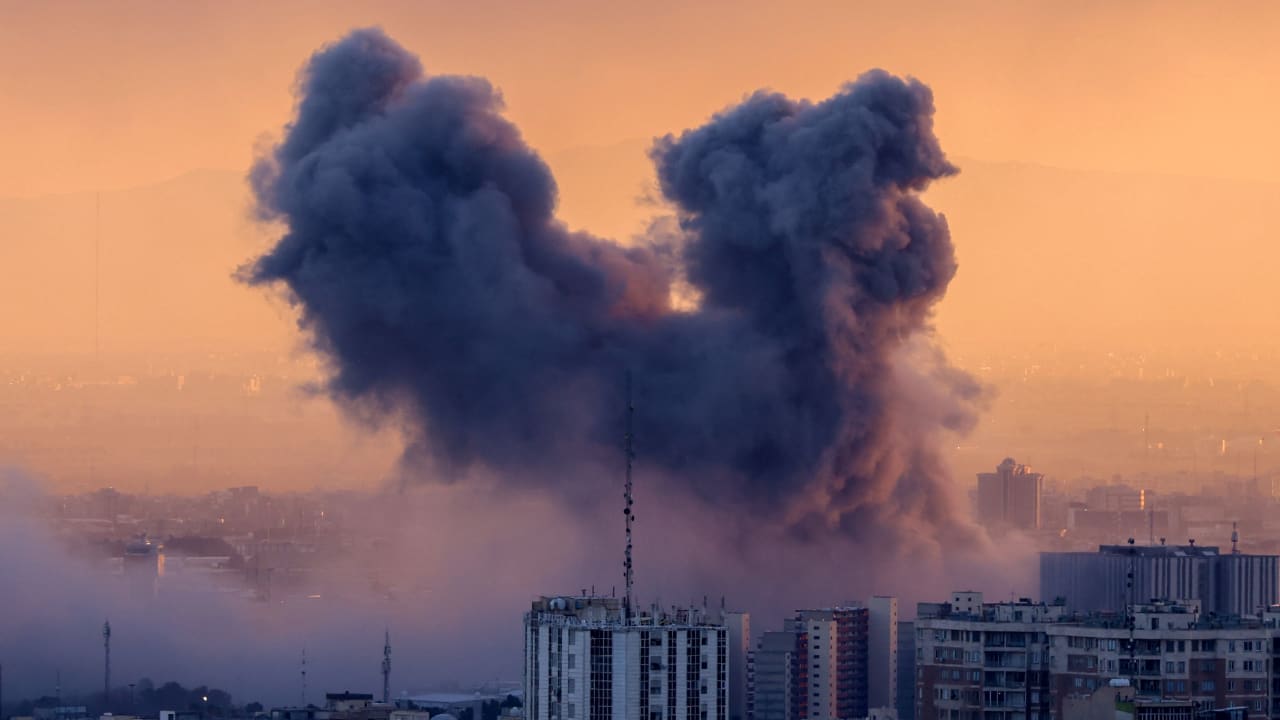
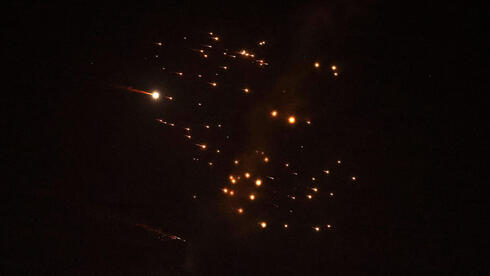
The United Kingdom has deployed the air defence destroyer His Majesty's Ship Dragon to support regional security, while Royal Air Force and Royal Navy personnel have conducted hundreds of operational hours and intercepted more than 40 drones. Meanwhile, regional strikes have continued, with Iran targeting energy infrastructure in Gulf states and Israel claiming to have killed a senior Iranian intelligence figure.