image sourced from original article at
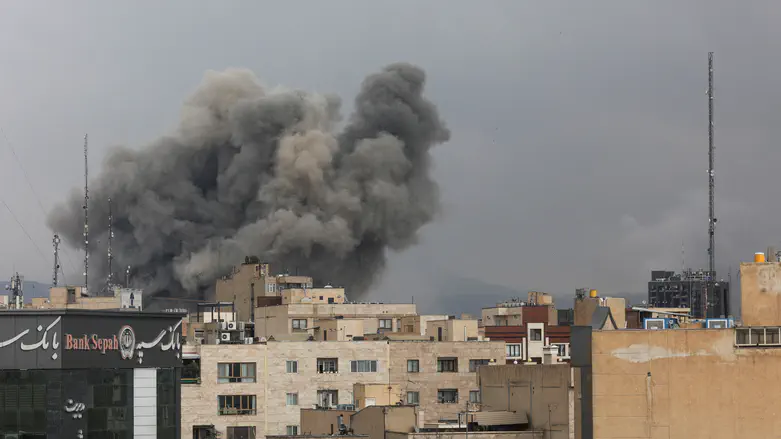
 Attacks on water infrastructure are emerging as a dangerous new front in the Middle East conflict, as Iran has threatened to target desalination plants after accusing Israel and the United States of striking its own water and energy facilities. The warning followed statements by United States President Donald Trump that power plants in Iran would be destroyed if shipping through the Strait of Hormuz was not restored. Iran said any further damage to its infrastructure would prompt retaliation against energy, information technology and desalination facilities linked to its adversaries in the region.
Recent weeks have seen accusations of drone and military strikes on desalination and water treatment sites in Bahrain and on Iran’s Qeshm Island, though officials said water supplies were not ultimately disrupted. Iranian authorities also reported damage to dozens of water transmission and treatment facilities. Experts warn that targeting water systems could dramatically escalate the conflict.
Desalination is critical in the Middle East, one of the driest regions in the world, where water availability is far below the global average. The region hosts about 42 percent of global desalination capacity, and countries including Saudi Arabia, Oman, Kuwait and the United Arab Emirates rely on it for the majority of their drinking water. Large cities such as Dubai and Riyadh depend heavily on these plants, making them strategically vital.
While direct attacks on desalination facilities have been rare, experts caution that prolonged disruptions could force rationing, economic losses and even population displacement. Plants are vulnerable not only to military strikes but also to power outages and oil spills. Although operators maintain security measures and limited water reserves, sustained damage could have severe humanitarian and economic consequences.