 image sourced from original article at
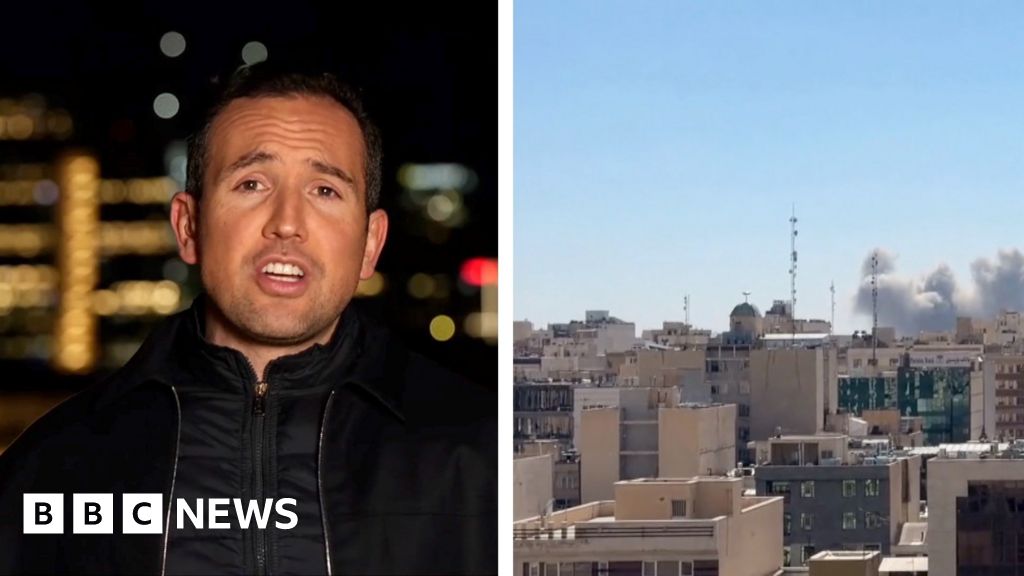
 President Donald Trump called on Iranians to seize control of their country after United States and Israeli strikes killed senior leaders, including Iran’s supreme leader, raising the prospect of regime change in Tehran. While Iran’s economy is battered and regional allies have been weakened, history suggests that toppling governments from the outside is rarely straightforward.
The United States has a long record of intervention, from Iran in 1953 to conflicts in Vietnam, Iraq, Afghanistan, Nicaragua and Panama. Efforts often began with promises of democracy or stability but frequently devolved into prolonged violence, civil war or authoritarian rule. Analysts warn that air power alone cannot ensure a smooth political transition or produce a government viewed as legitimate at home.
Trump has previously criticized nation building, arguing that past interventions caused more harm than good. Now, with no clear postwar plan publicly outlined for Iran, experts question whether Washington understands the internal dynamics of a deeply ideological leadership. Even if divisions emerge, any successor government could prove just as repressive or be seen as a foreign proxy.
Recent actions in Venezuela may offer clues to the administration’s approach, where the removal of one leader did not dismantle the broader power structure. Observers say events in Tehran could unfold in similarly unpredictable ways, underscoring the uncertainty surrounding calls for regime change.