
 image sourced from original article at
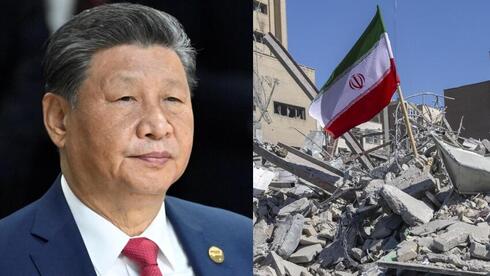
 China is closely monitoring the escalating war involving Israel, the United States and Iran, as its economic stability is deeply tied to Iranian energy supplies. Beijing has condemned the strikes and the killing of senior Iranian leaders, though it has shown no sign of offering direct military support. Behind its calls for sovereignty and international law lie pressing concerns about the security of oil flows that are vital to the world’s second largest economy.
Iran supplies the vast majority of its oil exports to China, often through indirect trade channels that bypass sanctions and offer Chinese refiners discounted crude. Any disruption could force Beijing to purchase more expensive oil on global markets, raising manufacturing costs and threatening broader economic stability. Shipping routes through the Strait of Hormuz are particularly critical, as a large share of the world’s oil consumption passes through the narrow waterway, with much of it destined for Chinese ports.
Beyond energy security, the conflict carries diplomatic and strategic implications. China has strengthened financial ties with Iran by shifting oil trade into its own currency, advancing its ambition to elevate that currency’s global role. At the same time, Beijing is using international forums to portray itself as a defender of multilateralism and a counterweight to Western military intervention, seeking to build influence among developing nations.
The war presents both risks and opportunities for China. It must balance safeguarding oil supplies and supporting a key regional partner with avoiding deeper military entanglement. The conflict also serves as a broader test of global alliances and power dynamics, offering lessons that could shape China’s future strategic decisions, including its approach toward Taiwan.