 image sourced from original article at
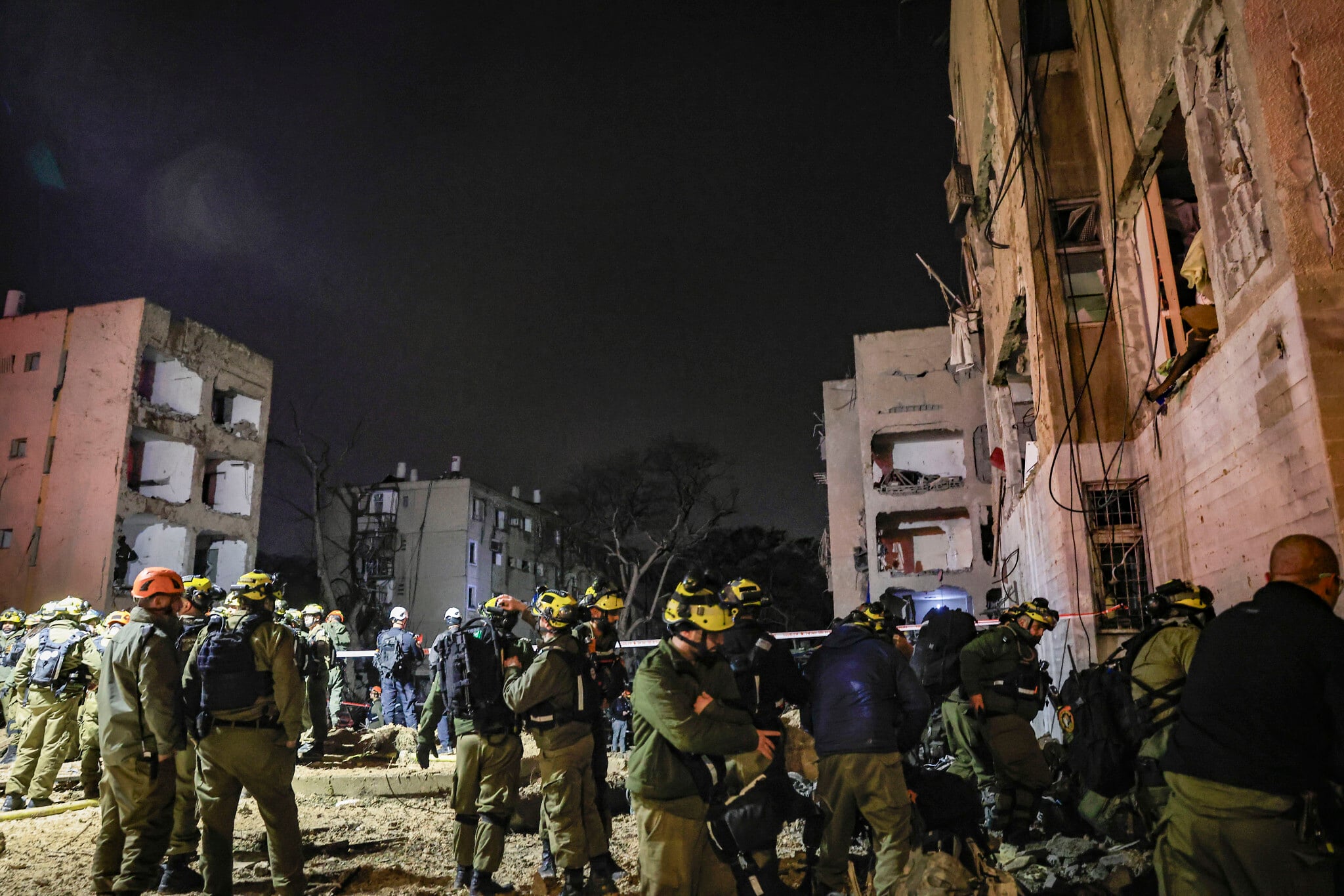
 The war with Iran expanded dramatically beyond the Middle East as a United States submarine sank an Iranian naval ship in the Indian Ocean near Sri Lanka and the North Atlantic Treaty Organization intercepted an Iranian ballistic missile headed toward Turkish airspace. The Iranian vessel went down in international waters, leaving many sailors dead or missing. The missile, which flew over Iraq and Syria before being shot down over the eastern Mediterranean, raised the risk of a broader regional confrontation.
Turkey, a member of the North Atlantic Treaty Organization that borders Iran, condemned the missile incursion and consulted with alliance partners, while European leaders warned that the conflict was rapidly widening. An attack on Turkish territory could trigger the alliance’s mutual defense commitment, potentially drawing dozens of countries into the war. European nations including Britain and France began deploying naval and air forces to help counter Iranian strikes and protect shipping lanes.
Inside Washington, Senate Republicans blocked an effort to limit President Donald Trump’s authority to continue the military campaign without congressional approval. United States and Israeli officials said their strikes were severely degrading Iran’s missile capabilities, naval forces and security leadership, and vowed to press ahead. Meanwhile, Iran continued launching missiles and drones at countries hosting American forces, and attacks on commercial shipping disrupted global oil supplies.
More than 870 people have been killed since the fighting began, most of them in Iran, with additional casualties reported across several Middle Eastern countries. Diplomatic efforts to halt the conflict remain limited, though China said it would send a special envoy to seek a political solution while criticizing the United States and Israeli military actions.