 image sourced from original article at
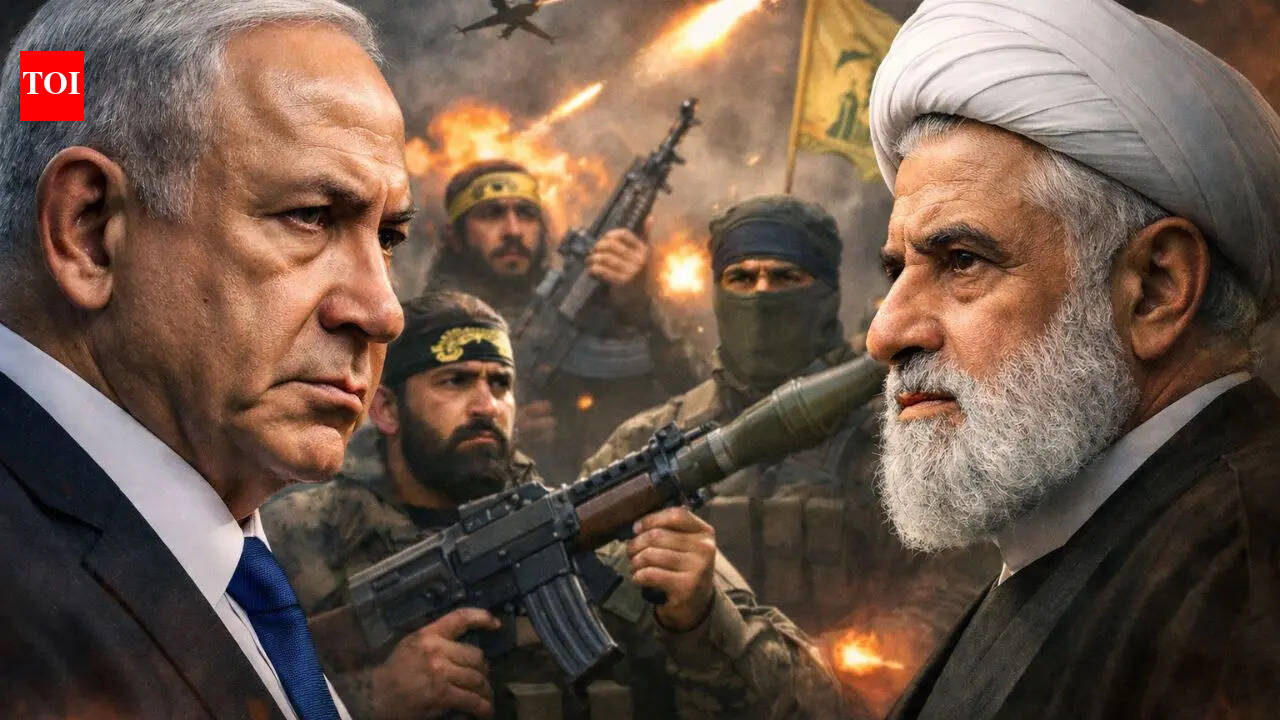
 Tensions along the Israel-Lebanon border are rising again despite ongoing truce talks led by the United States. Although Lebanon’s official armed forces remain limited and largely defensive, Hezbollah continues to operate as a powerful parallel military force with its own command structure, weapons networks and strategic backing from Iran. Recent clashes suggest the group has regained momentum after a period of relative quiet following earlier ceasefire efforts.
Despite sustained Israeli strikes targeting its leadership, infrastructure and supply routes, Hezbollah has demonstrated resilience and adaptability. It has restructured into smaller, more mobile units and strengthened local weapons production to reduce reliance on external supply chains. The group maintains a vast stockpile of rockets capable of short, medium and long range strikes, along with precision guided missiles, anti tank systems, drones and limited naval capabilities.
While Israel retains clear air superiority, Hezbollah’s layered arsenal enables it to sustain prolonged conflict and threaten critical infrastructure deep inside Israel. This evolving balance of deterrence creates a fragile situation in which Hezbollah acts as both a stabilising force and a potential trigger for wider war, leaving Lebanon in a precarious position as diplomatic efforts continue.