 image sourced from original article at
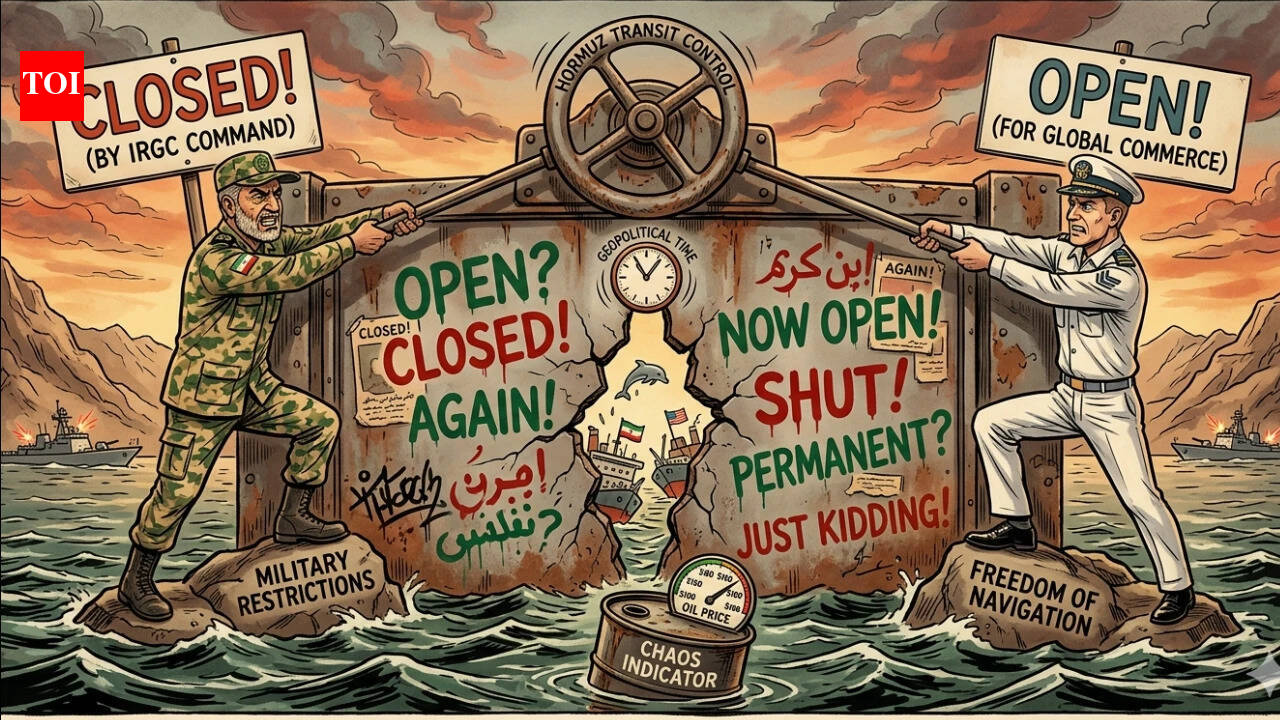
 Iran has reimposed strict controls over the Strait of Hormuz after the United States refused to lift its naval blockade on ships linked to Iran. Iranian military officials said the strategic waterway would remain under tight supervision until what they described as threats to vessels traveling to and from Iranian ports are removed. The move reverses an earlier announcement that the passage had been reopened following a temporary ceasefire between Israel and the Hezbollah movement in Lebanon.
The United States president stated that while the strait is open for general maritime traffic, the blockade targeting Iranian shipping will continue until negotiations with Tehran are fully concluded. In response, Iran accused Washington of violating prior understandings and declared that only authorized commercial vessels would be allowed to pass under a new maritime system that includes toll payments and naval approval.
The crisis began in late February after Iran closed the strait following military tensions involving the United States and Israel. Shipping traffic halted, oil prices surged, and subsequent attempts at negotiation, including a ceasefire effort mediated by Pakistan, failed to produce a lasting agreement. Although Iran briefly announced a reopening, it reinstated restrictions, citing the ongoing blockade.
Roughly one-fifth of the world’s oil supply passes through the narrow waterway, making the renewed restrictions a significant threat to global energy markets. With both sides maintaining firm positions, the situation remains volatile and raises concerns over further economic disruption and potential military escalation.