
 image sourced from original article at
 British travellers are increasingly seeking out 'authentic' and lesser-known destinations for 2026, opting for alternatives to traditional all-inclusive resorts. Industry figures show many are choosing countries they have never visited before, influenced by rising living costs, safety concerns in parts of the Middle East, and a desire for better value. European destinations offering affordability and variety are seeing growing interest.
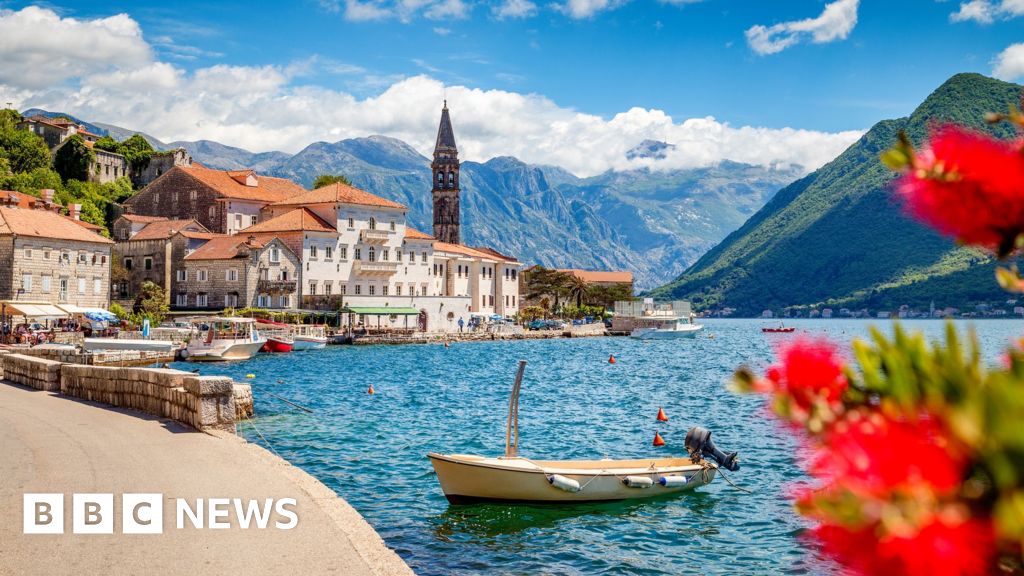
Montenegro has emerged as a popular choice, described by travellers as offering a similar experience to Croatia but at a lower cost. Its compact size allows visitors to combine beaches, mountains and city breaks in one trip, with opportunities for rail journeys and multi-country itineraries. Social media has helped boost its appeal, particularly among younger tourists seeking adventure and value.
In northern Europe, Estonia, Finland and Lithuania are attracting families, couples and solo travellers. Cooler summer temperatures, historic sites and easy ferry connections between capitals add to their appeal. Germany’s island of Rügen is also gaining attention for its cliffs, national parks and fishing villages, as more tourists embrace travel itself as part of the holiday experience.
Albania is drawing comparisons to Greece for its beaches and coastal scenery, but at significantly lower prices. Visitors can combine trips with nearby Greek islands and explore historic stone towns and wildlife-rich landscapes. Meanwhile, in Spain, travellers are looking beyond traditional hotspots to regions such as Asturias and La Rioja, favouring food, wine and nature-focused trips over crowded city breaks.