 image sourced from original article at
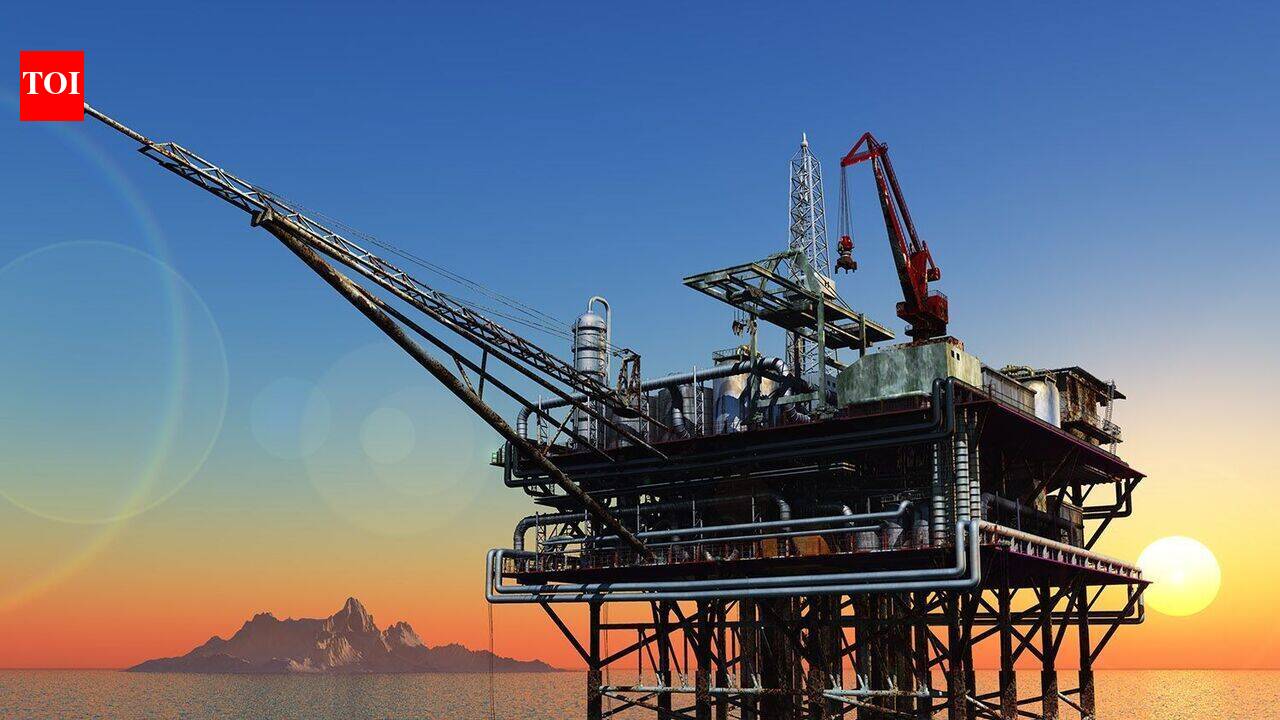
 Rising crude oil prices triggered by tensions in the Middle East and the closure of the Strait of Hormuz could significantly boost the earnings of India’s upstream oil producers. If average crude prices climb from about 65 dollars per barrel to 90 dollars per barrel, state-run explorers such as Oil and Natural Gas Corporation and Oil India could see a sharp rise in earnings before interest, taxes, depreciation and amortisation, potentially adding tens of thousands of crores of rupees even if production remains largely flat. Since their production costs do not increase as quickly as crude prices, much of the price rise would translate directly into higher profits.
However, this potential windfall is driven by prices rather than stronger output. Both companies have faced long-term production declines due to aging oilfields, including decades-old assets where extraction has become more complex and costly. While some new deepwater and redevelopment projects may stabilise output, analysts caution that it is too early to call this a sustained production revival.
At the same time, higher crude prices are straining fuel retailers, which are selling petrol and diesel at unchanged pump prices despite rising global costs, leading to mounting losses. Elevated oil prices would also increase India’s import bill, widen the current account deficit, and add to inflationary pressures. In essence, while upstream producers may benefit from a price surge, the broader economy could face significant headwinds.