 image sourced from original article at
 The 2026 Eurovision Song Contest arrives in Vienna with 35 countries competing in one of the most compact editions in recent decades, shaped in part by a partial boycott over Israel's participation. Despite political tensions, this year’s line-up delivers the contest’s trademark spectacle, from operatic showstoppers and thundering dance tracks to theatrical rock and heartfelt ballads.
Several entries lean into high drama and vocal acrobatics, including France’s 17-year-old prodigy Monroe and Ukraine’s Leléka, whose song features a breathtaking extended high note. Emotional storytelling runs through performances from Albania, Croatia and Latvia, while Switzerland and Romania offer darker, provocative narratives that have already sparked debate.
Dancefloor energy comes from Bulgaria, Cyprus and Greece, the latter blending traditional sounds with modern electronic beats in one of the favourites to win. Finland’s explosive genre switch and Moldova’s riotous celebration of national pride add to the sense of joyful chaos, while Australia’s Delta Goodrem delivers a powerhouse ballad that could challenge for the crown.
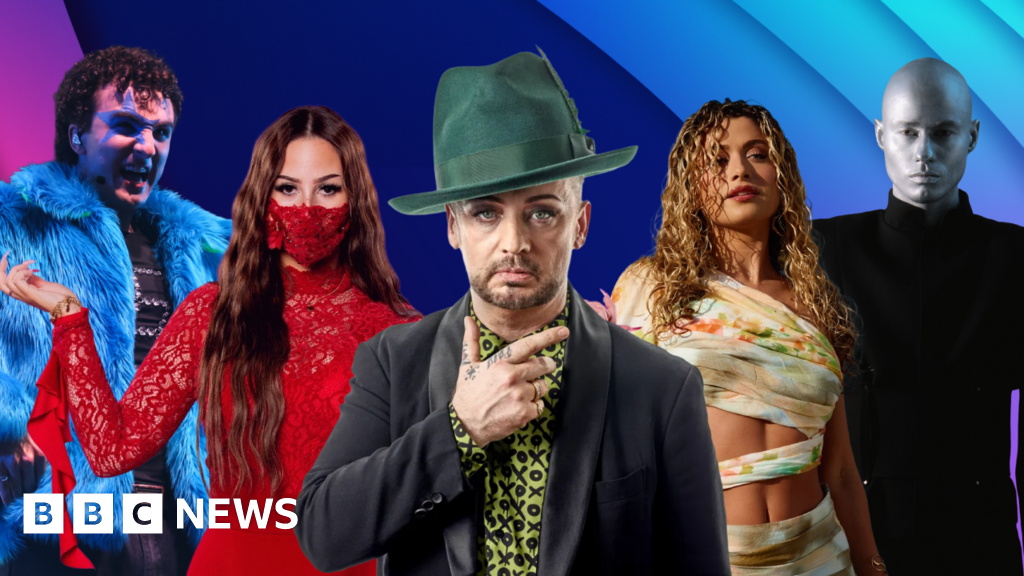
Elsewhere, rock makes a strong showing from Norway and Serbia, and established names including Boy George appear alongside newcomers and returning veterans. With songs tackling themes from burnout and artificial intelligence to toxic love and resilience in wartime, this year’s contest promises a wildly varied and unpredictable show.