 image sourced from original article at
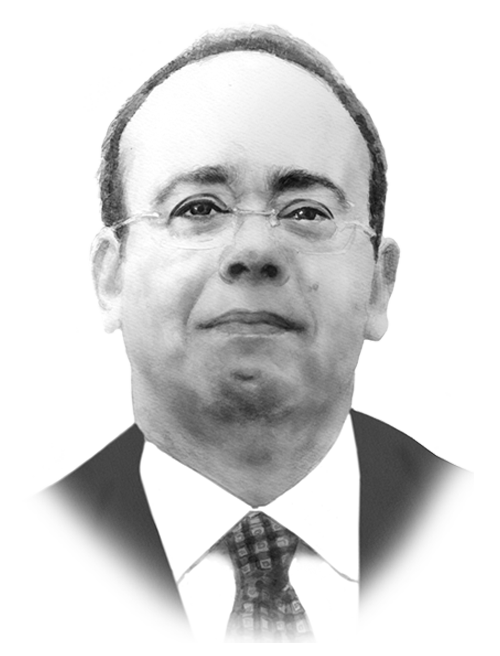
 Peter G. Neumann, a pioneering computer security researcher who spent decades warning about the dangers of weak digital protections and threats to personal privacy, has died at 93. Over a career spanning 70 years, he became one of the nation’s leading voices urging the technology industry to build security directly into computer hardware and software rather than treating it as an afterthought. He died at a medical center in Santa Clara, California, from complications after a fall.
Neumann recently worked on an advanced security design backed by the Pentagon that aims to prevent entire categories of common software vulnerabilities. The approach restricts what programs are allowed to do at a fundamental level, making certain malicious actions impossible. The design is now being adopted by major technology companies and promoted for wider commercial use.
Earlier in his career, Neumann helped develop influential computing systems and led research on detecting intruders in large networks. For decades he also edited an online forum documenting computer failures and security lapses, later expanding that work into the book 'Computer-Related Risks.' Colleagues described him as both a guardian of computing’s early ideals and a visionary who consistently pushed the field toward stronger, more principled security.
Born in Manhattan in 1932, Neumann studied at Harvard, where he was among the earliest generation of hands-on computer programmers. He spent much of his professional life at a research institute in Menlo Park, California, remaining active until his death. Known for working behind the scenes and shunning credit, he was remembered as an optimist about research but a persistent critic of corporate short-term thinking on security and privacy.