 image sourced from original article at
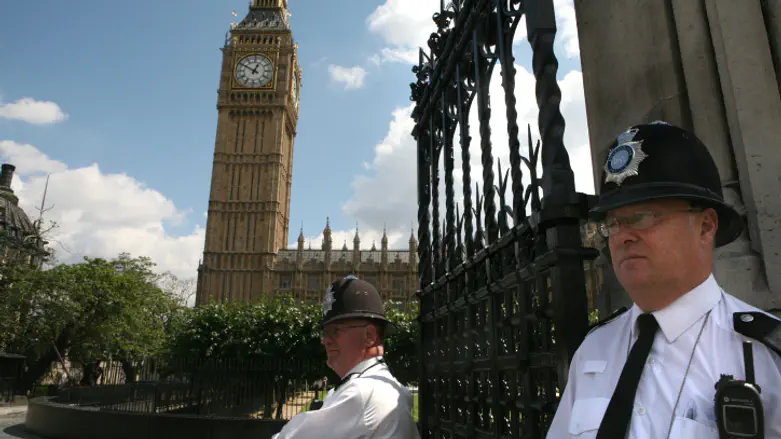
 On December 2, 1947, following the United Nations vote to partition Israel, violent pogroms erupted against Jews in Jerusalem, Tel Aviv, and across the Middle East. Eyewitness accounts and contemporary reports suggest that British police and soldiers stood aside as Arab mobs attacked Jewish communities, looted shops, and set fires, with some British officers allegedly assisting the rioters. The violence resulted in hundreds of Jewish deaths in Israel, Syria, Yemen, and Libya.
Journalists and historians have questioned whether British authorities deliberately allowed the violence to unfold, possibly to demonstrate that only their continued presence could maintain order in the region. Decades later, the events of December 2 remain a source of controversy, raising difficult questions about the role of international powers in shaping the fate of Israel and its people.
The article argues that these historical events underscore the dangers of relying on foreign powers for protection, urging a clear-eyed understanding of international relations and the need for self-reliance. It draws parallels between past and present, warning against trusting diplomatic promises and highlighting ongoing challenges faced by Israel in securing its future.