 image sourced from original article at
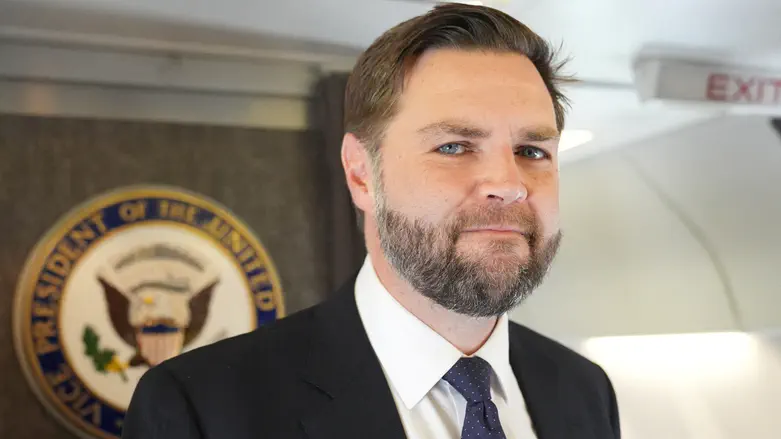
 Recent scrutiny has fallen on Vice President Vance for his refusal to distance himself from controversial commentator Tucker Carlson, whose recent interviews have amplified anti-Jewish rhetoric and featured openly racist guests. Despite widespread calls from both the public and media to condemn Carlson's statements, Vance has declined to take a clear stance, citing a reluctance to engage in party infighting and downplaying the seriousness of rising anti-Jewish sentiment on the political right.
The close personal and professional ties between Vance and Carlson, including Carlson's past support for Vance's political ascent and the employment of Carlson's son on Vance's staff, have fueled speculation about Vance's motivations. Critics argue that Vance's selective response to racism and his unwillingness to confront bigotry within his own ranks raise troubling questions about his principles and leadership.
Writers and commentators have noted that Vance's approach not only alienates key constituencies but also risks aligning him with extremist elements, potentially undermining his political future. The ongoing controversy highlights broader concerns about the normalization of hate speech and the responsibilities of national leaders to unequivocally oppose all forms of racism.