 image sourced from original article at
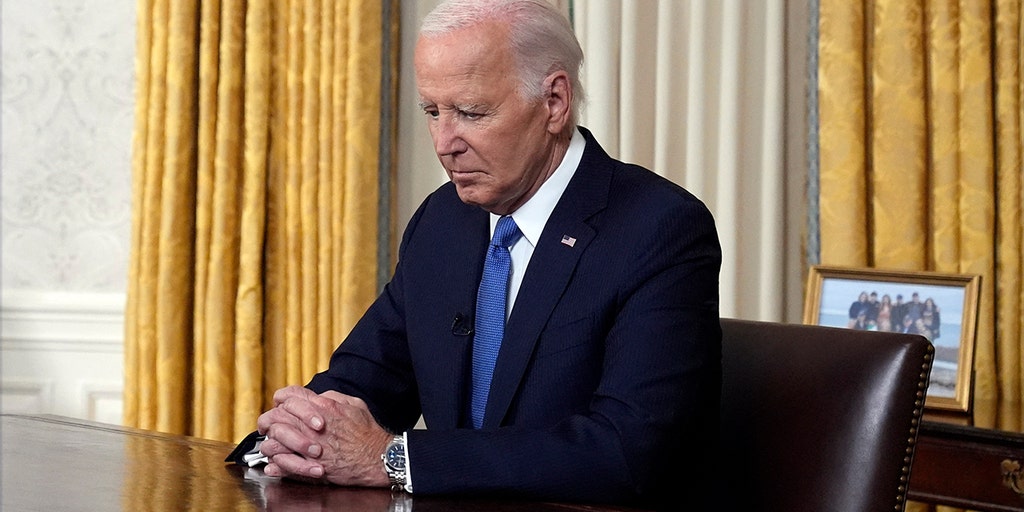
 In 2025, the credibility of major media outlets came under renewed scrutiny after revelations about former President Joe Biden's mental decline and the alleged efforts by his team and the press to downplay or obscure these issues. A new book by journalists Jake Tapper and Alex Thompson detailed the cover-up, featuring accounts from high-level Democratic sources and highlighting how mainstream networks, including CNN, dismissed concerns about Biden's fitness for office as partisan attacks or 'cheap fakes.'
Throughout 2024, viral videos showing Biden appearing confused or freezing at public events were often labeled as misleading or selectively edited by the White House and echoed by prominent news organizations. Critics argue that the media's embrace of the 'cheap fakes' narrative contributed to a lack of transparency and delayed public acknowledgment of Biden's condition. Some journalists and commentators have since expressed regret over their coverage, while others maintain that concerns about ageism and misinformation shaped their reporting.
The controversy has sparked debate over the role of the press in holding leaders accountable and the impact of partisan narratives on public trust. As the story continues to unfold, questions remain about how the media will address its handling of the Biden presidency and restore confidence among its audience.