
 image sourced from original article at
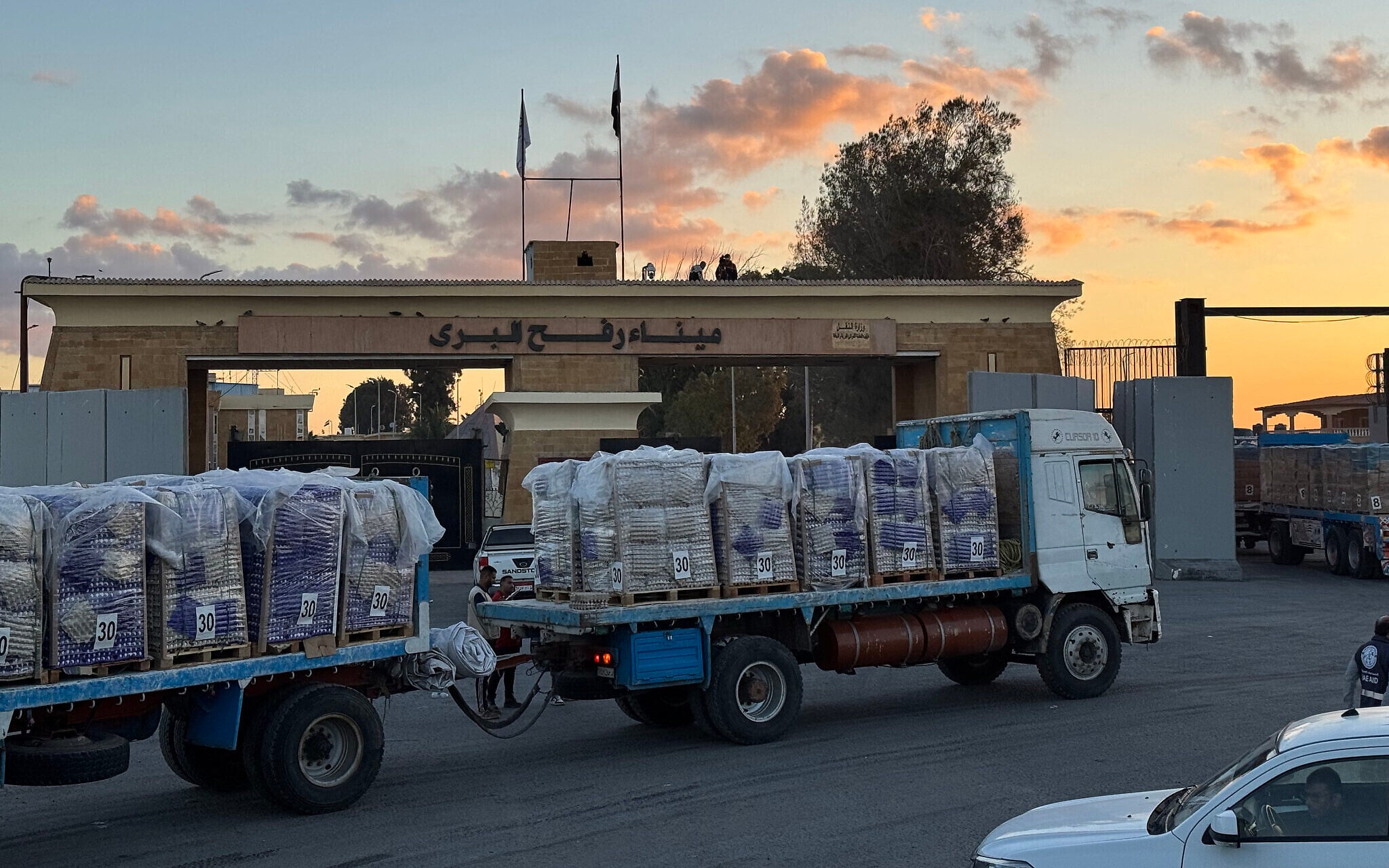
 Israel is expected to reopen the Rafah Border Crossing for both entry and exit of Gazans in the coming days, following pressure from the United States and recent talks between President Donald Trump and Prime Minister Benjamin Netanyahu. The move comes after months of negotiations and disagreements over the terms of the Gaza ceasefire, with Israel previously only allowing exits until the return of the final hostage. Egypt has kept the crossing closed, citing concerns over population displacement.
The Israeli cabinet is now considering a full reopening, despite resistance from some ministers, and plans to proceed once Netanyahu returns from the United States. Meanwhile, Israel's military leadership has reaffirmed its commitment to disarming Hamas, describing the upcoming year as decisive for national security. Recent military operations have targeted thousands of sites in Gaza, eliminating senior Hamas commanders.
The fragile ceasefire continues, but both sides have accused each other of violations, and humanitarian conditions in Gaza remain dire. Heavy rainfall has caused deadly structural collapses, adding to the suffering of displaced residents, while aid trucks await entry at the border. The United Nations reports widespread destruction of Gaza's infrastructure, and aid groups warn of insufficient shelter materials. Israeli authorities deny restricting aid, stating they have facilitated the entry of tents and supplies.
Israeli forces also uncovered a loaded rocket launcher in northern Gaza, highlighting ongoing security concerns despite the truce. The situation remains tense as efforts continue to stabilize the region and implement the next phase of the peace plan.