 image sourced from original article at
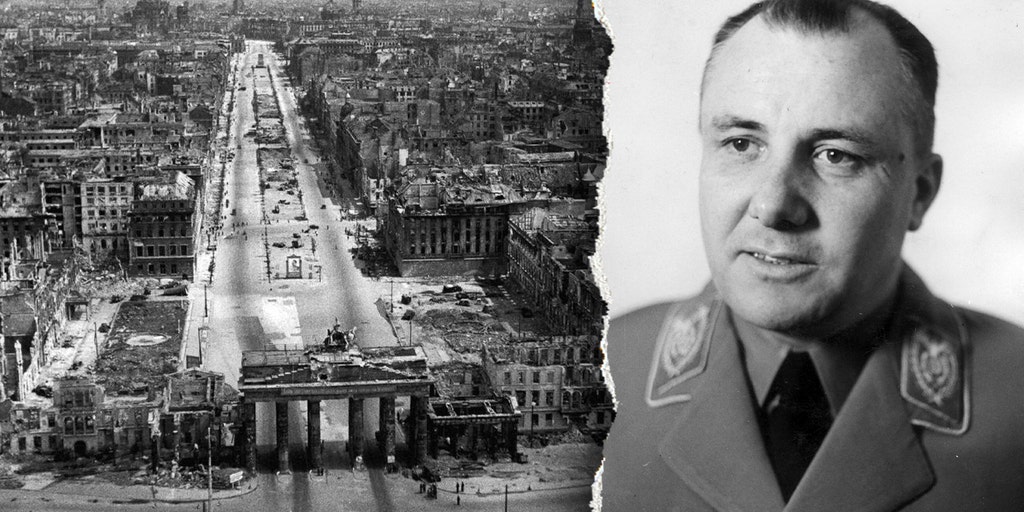
 Declassified documents released by Argentina have shed new light on the country's postwar efforts to track down Nazi war criminals, focusing on the hunt for Martin Bormann, Hitler's influential right-hand man. Despite initial government sympathies and widespread knowledge of Nazi fugitives living in Argentina, official attempts to apprehend them were often disorganized and ineffective. The files reveal that much of Argentina's pursuit of Bormann was based on rumors and sensationalist media reports, leading to bureaucratic confusion and repeated false leads.
Authorities chased tips from international and local press, resulting in extensive but disconnected investigations that rarely produced actionable intelligence. One notable case involved the mistaken arrest of a German immigrant, Walter Wilhelm Flegel, who was wrongly suspected of being Bormann despite clear evidence to the contrary. The search was further complicated by Cold War politics and the diplomatic fallout from Israel's capture of Adolf Eichmann in Argentina.
Ultimately, the hunt for Bormann in South America ended only after remains found in Berlin in 1972 were confirmed through dental records and later DNA testing to be his, proving he had died during the fall of the city in 1945. The files highlight how Argentina's efforts were hampered by rumor, miscommunication, and a lack of coordinated strategy.