 image sourced from original article at
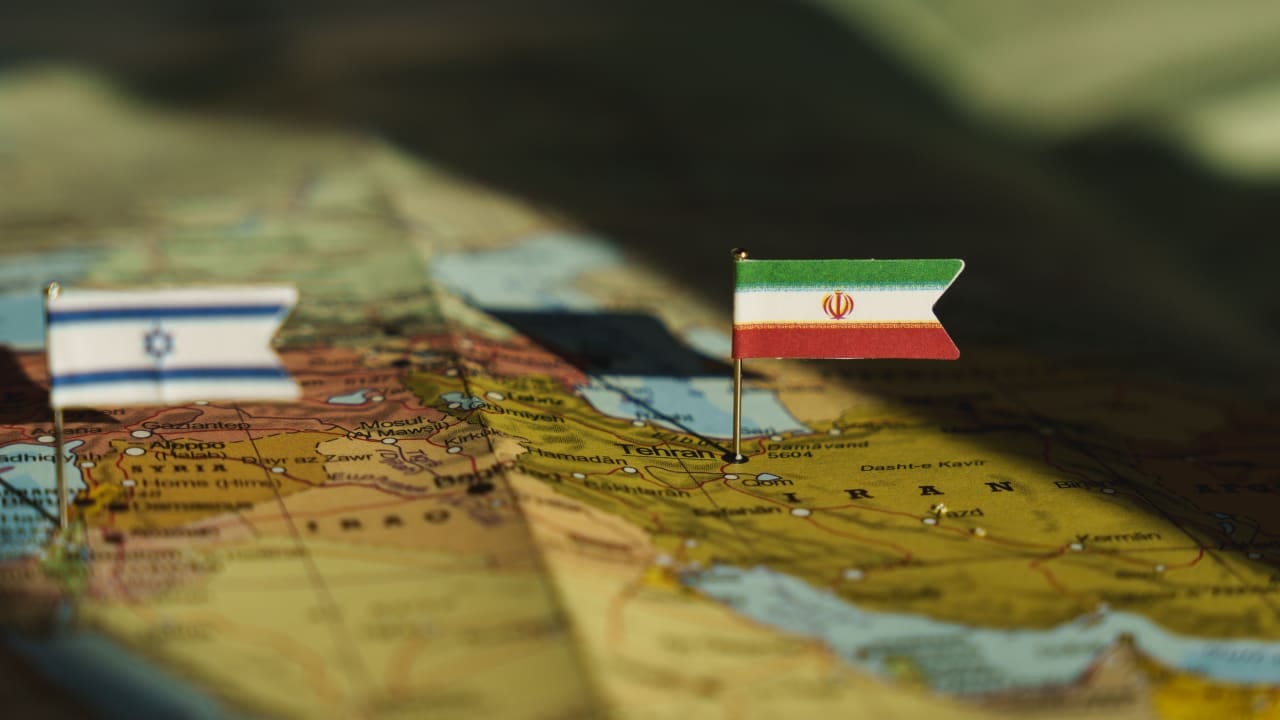
 The United States and Iran have resumed indirect nuclear negotiations, but deep disagreements persist over Iran's uranium enrichment and missile programs. Iran insists on maintaining domestic enrichment and keeping its ballistic missile program off the table, clashing with American demands for strict limits and an end to support for regional proxies. Israeli analysts warn that renewed diplomacy may serve as a pressure valve rather than a breakthrough, potentially limiting Israel's options as Iran's capabilities advance.
Meanwhile, Iran faces significant internal unrest, with widespread protests and a harsh crackdown resulting in thousands of deaths and tens of thousands of arrests. Despite this turmoil, Israel must recognize that Iran's negotiation tactics are part of a broader strategy to build capacity while promising restraint. Treating the nuclear issue in isolation risks leaving Israel vulnerable to a more sophisticated threat, as Iran's enrichment, missile development, and proxy networks form a unified challenge.
The editorial urges Israel to maintain a comprehensive strategy beyond diplomacy, including intelligence, economic coordination, and a credible independent option. Time is critical, as ongoing negotiations allow Iran to strengthen its position. Internal instability in Iran may even lead to increased external aggression, making it essential for Israel to remain prepared and disciplined, ensuring that negotiations do not become the sole determinant of its security posture.