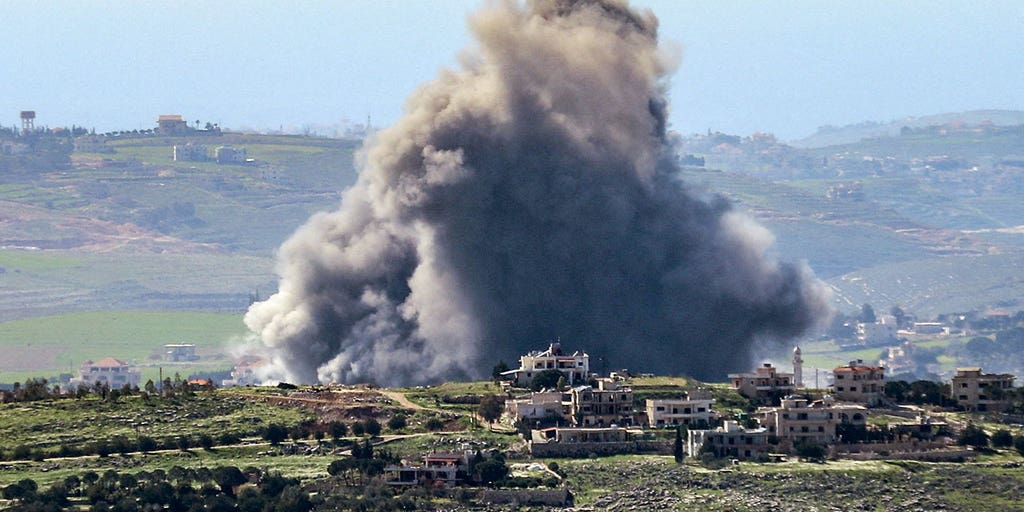
image sourced from original article at
 Senior officers in Israel's military General Staff have described months of covert and intensive planning for a potential multi-front war involving Iran and Lebanon. Working from an underground command bunker in Tel Aviv, they outlined the operational pressure and strict secrecy required to prepare simultaneous offensive and defensive plans while maintaining normal family lives.
According to the officers, preparations for the current campaign began shortly after the previous round of fighting, based on assessments that Iran had been weakened but not decisively stopped. Planners anticipated that Iran would attempt to rebuild its ballistic missile capabilities and continue advancing its nuclear program, prompting Israel to refine its strategy, expand its target lists, and incorporate lessons learned from earlier operations.
The military also prepared for the possibility of broader regional escalation, including involvement by Hezbollah and armed groups in Yemen backed by Tehran. Planning included strengthened defenses across multiple arenas and ready-to-deploy offensive options tailored to each front, treating them as distinct battlefields while viewing Iran as the central coordinating force.
Officers emphasized the extraordinary pace and scope of the strike campaign and the burden of secrecy placed on those involved. They rejected rumors of leaks from within the command bunker and said operational security was maintained until the final stages, portraying a system that balanced strategic coordination with the personal toll of prolonged readiness for war.