 image sourced from original article at
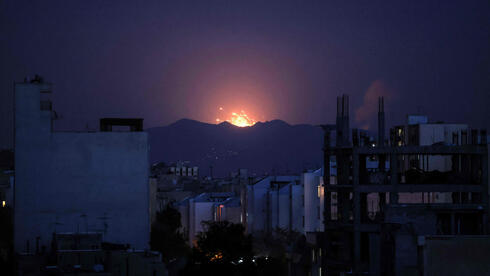
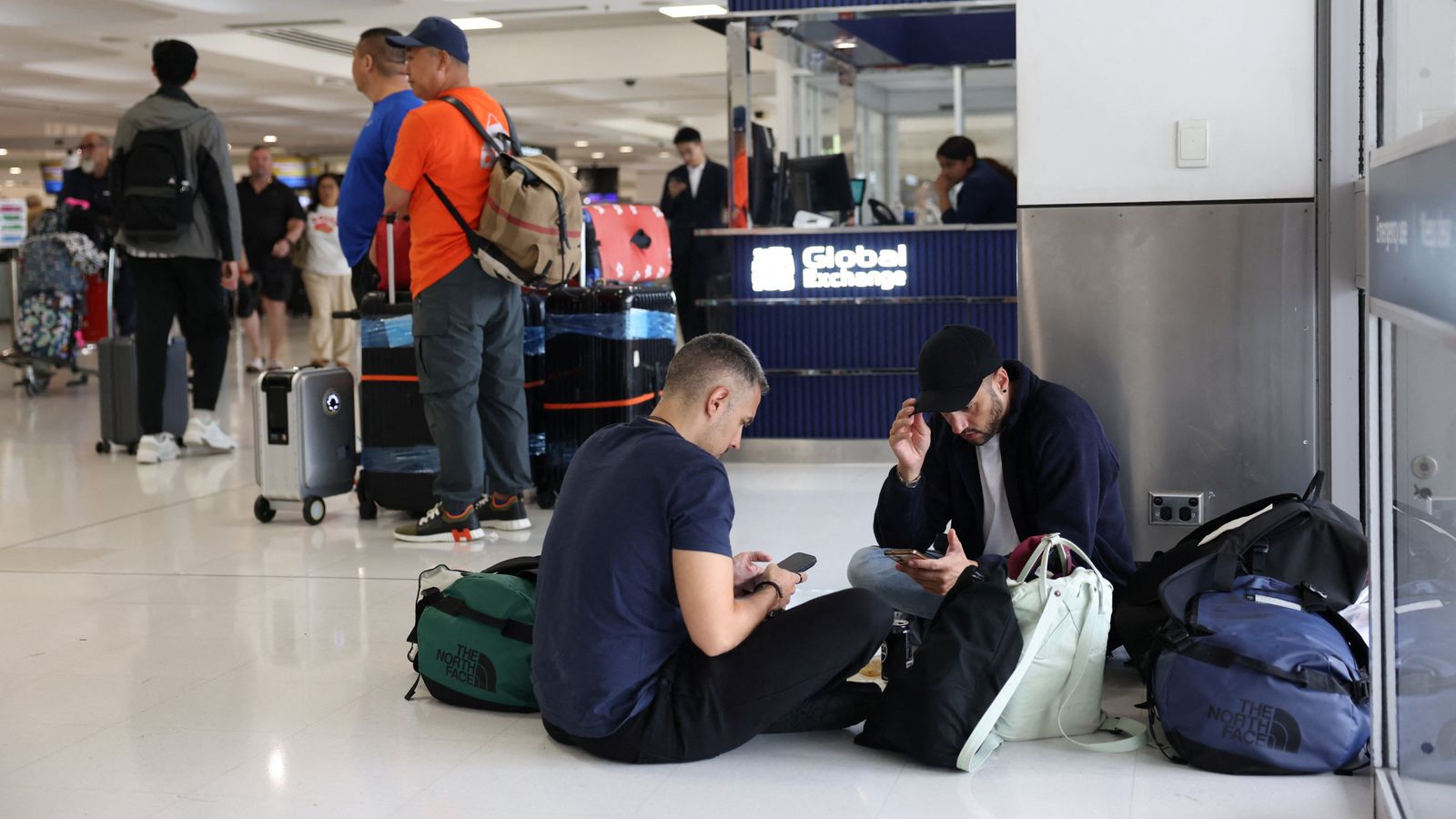
 Missile and drone attacks linked to the war involving Iran have caused widespread disruption to air travel across the Middle East, leaving thousands of flights cancelled and major airspace corridors closed. Hundreds of thousands of passengers travelling through key hubs such as Dubai, Abu Dhabi and Doha have been forced to change their plans, with some experts describing the situation as one of the worst shutdowns in aviation history.
Airspace over several countries, including Iran, Israel, Iraq, Kuwait, Bahrain, Syria and Qatar, remains largely closed, severely limiting operations at some of the world’s busiest airports. Doha and Dubai have seen dramatic drops in daily flight numbers, affecting major international airlines and regional carriers alike. Although some repatriation and limited commercial flights have resumed, overall capacity remains far below normal levels.
Airlines are scrambling to adapt by creating alternative routes, in some cases sending flights in the opposite direction around the globe to avoid restricted areas. Industry specialists warn that further escalation could intensify pressure on the remaining open corridors, leading to increased congestion and fewer viable paths between major destinations. Any additional airspace closures in neighboring countries would significantly deepen the disruption to global travel.