 image sourced from original article at
 Iran's Strait Closure Threatens Global Energy Flows
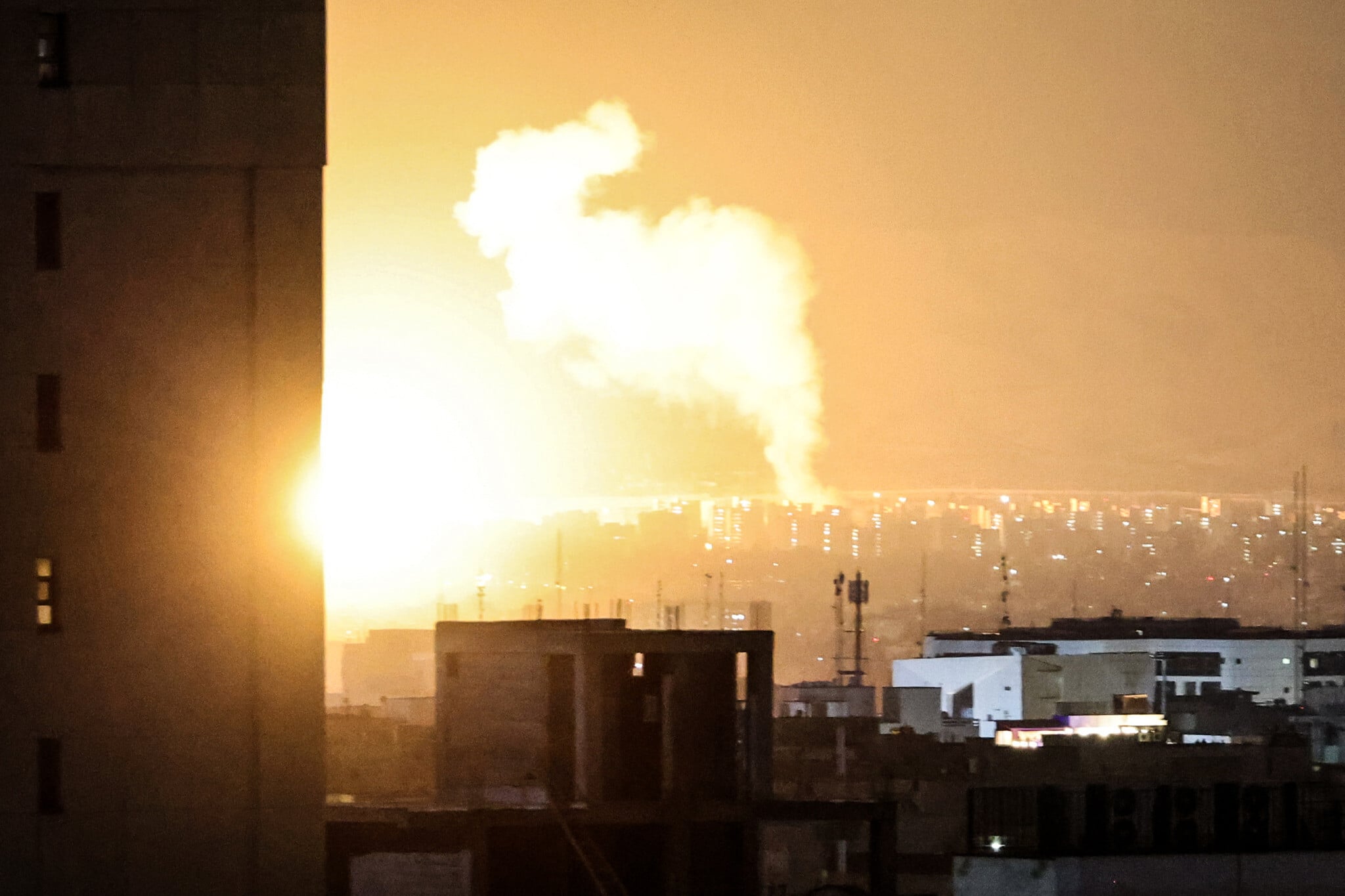
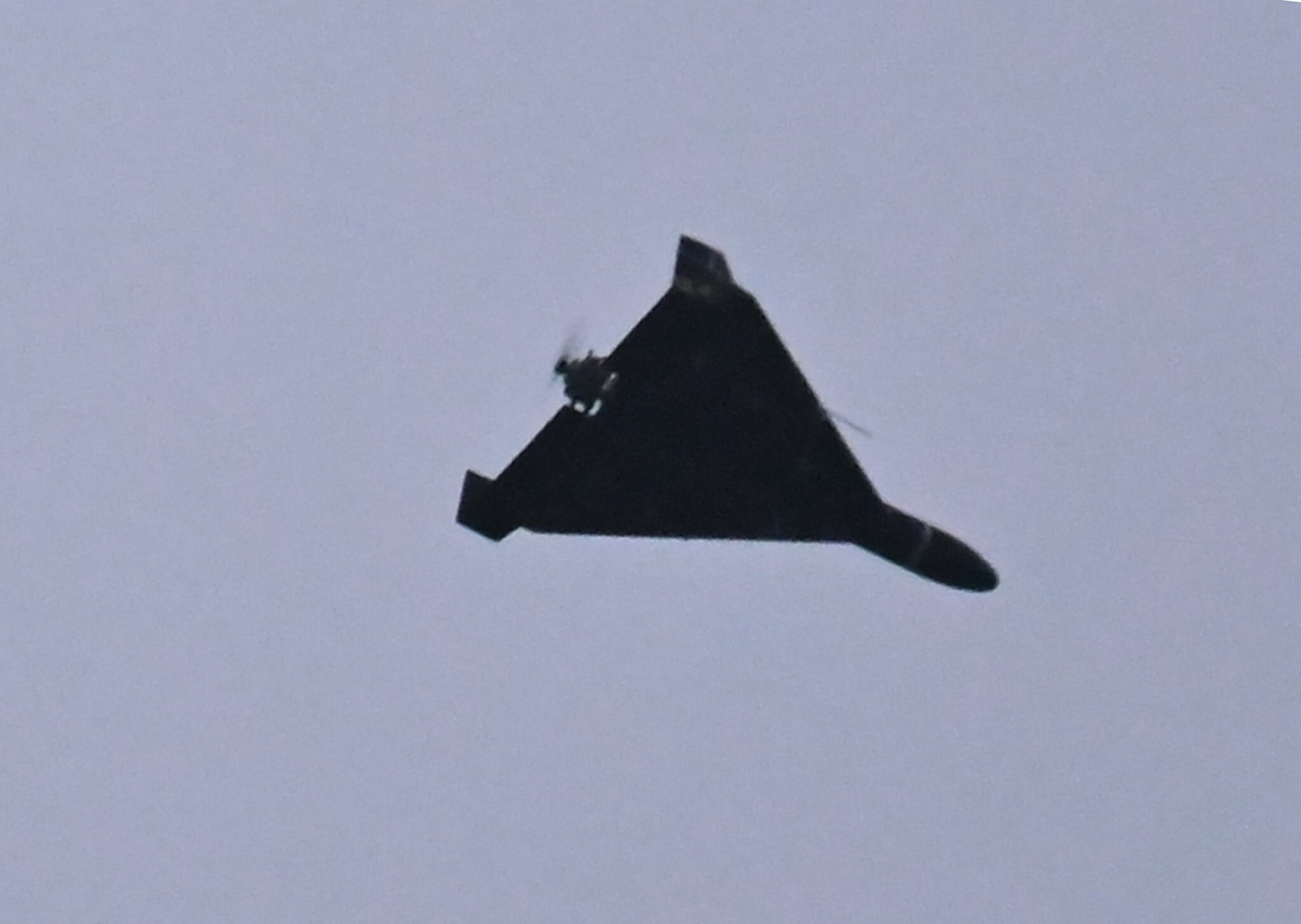
Iran's decision to close the Strait of Hormuz has sharply reduced oil tanker traffic and raised fears of missile strikes on commercial vessels. The move targets not only traditional shipping lanes but also the so-called shadow fleet of unflagged or discreetly flagged tankers used by countries such as Iran and Russia to bypass sanctions. The disruption threatens to drive up global energy prices and unsettle markets already strained by conflict.
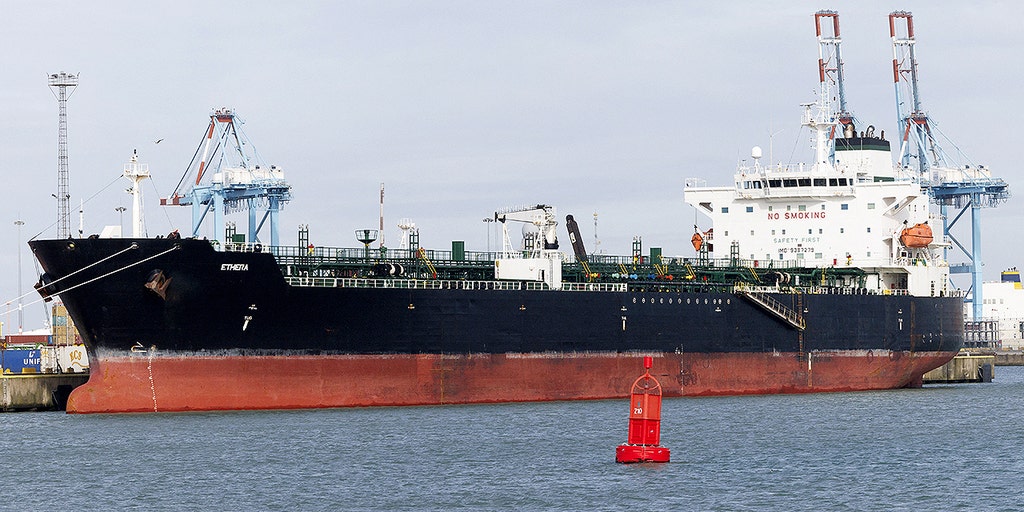
Western nations have intensified efforts to intercept and seize vessels linked to sanctions evasion. Belgian authorities recently detained a tanker in the North Sea reportedly connected to figures close to Iran's leadership. The United States Treasury Department has also sanctioned dozens of individuals and ships accused of facilitating illicit Iranian oil sales, describing the trade as a key source of funding for weapons programs and regional proxy forces.
The crackdown could squeeze Russia's ability to finance its war in Ukraine and strain China's access to discounted oil that supports its industrial base. Analysts warn that dismantling these gray market networks may have ripple effects across global supply chains, potentially increasing fuel costs worldwide as tensions escalate in the Middle East.