
 image sourced from original article at
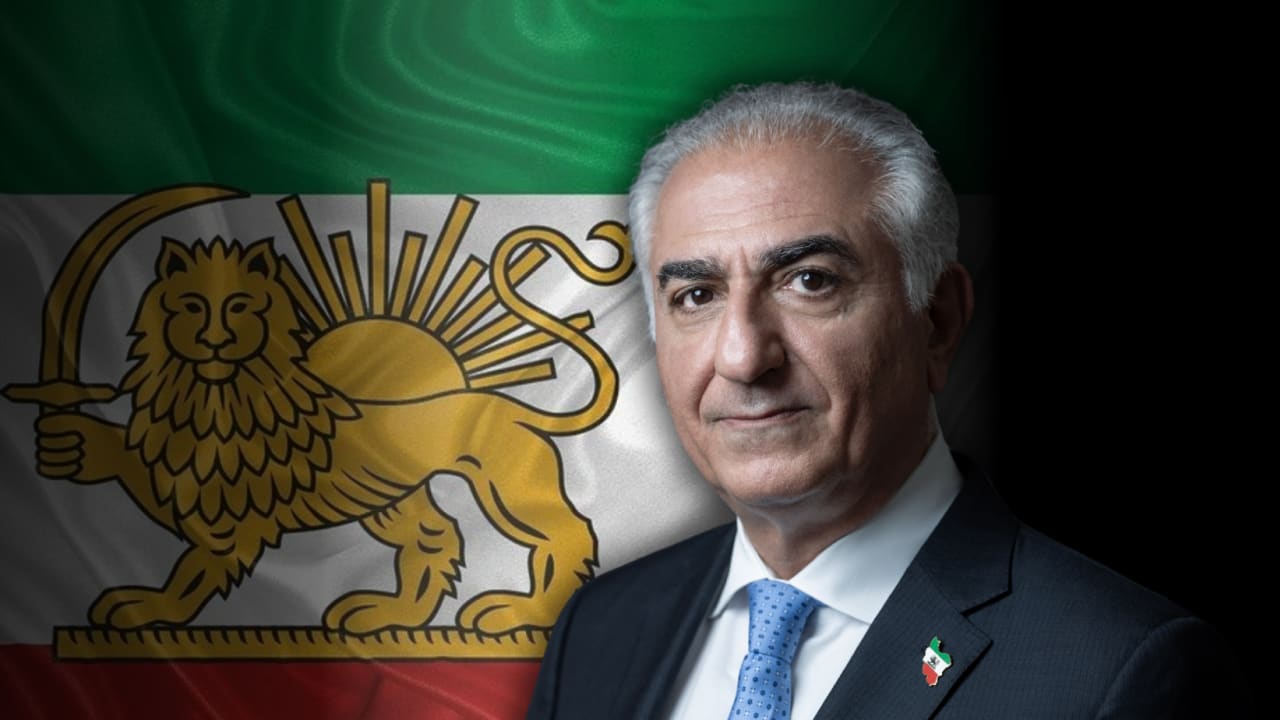
 Iran's exiled Crown Prince Reza Pahlavi and a network of allied experts have unveiled a detailed road map for governing Iran in the event of the Islamic Republic's collapse. Their proposal centers on an 'Emergency Phase' that would establish a temporary transitional system under Pahlavi's authority as Leader of the National Uprising, aimed at stabilizing the country until democratic institutions can be elected.
The plan calls for three temporary bodies: a transitional parliament known as the Mehestan, a transitional government to manage daily administration, and a transitional judiciary called the Divan. Within months, a national referendum would determine whether Iran becomes a parliamentary monarchy or a republic, followed by elections for a constituent assembly to draft a new constitution and, ultimately, a fully elected government.
The blueprint also outlines sweeping reforms, including abolishing key theocratic institutions, dissolving the Islamic Revolutionary Guard Corps, dismantling ideological enforcement bodies, and establishing a transitional justice court and truth commission. Economically, it prioritizes stabilizing currency, safeguarding salaries and supply chains, and reintegrating Iran into the global economy. The proposal further envisions a foreign policy reset, including normalized relations with the United States and the European Union, an end to support for regional proxy groups, nuclear transparency, and formal recognition of Israel.