 image sourced from original article at
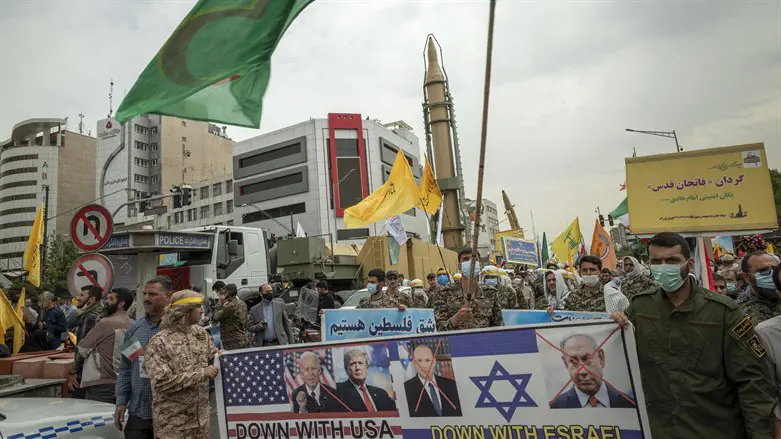
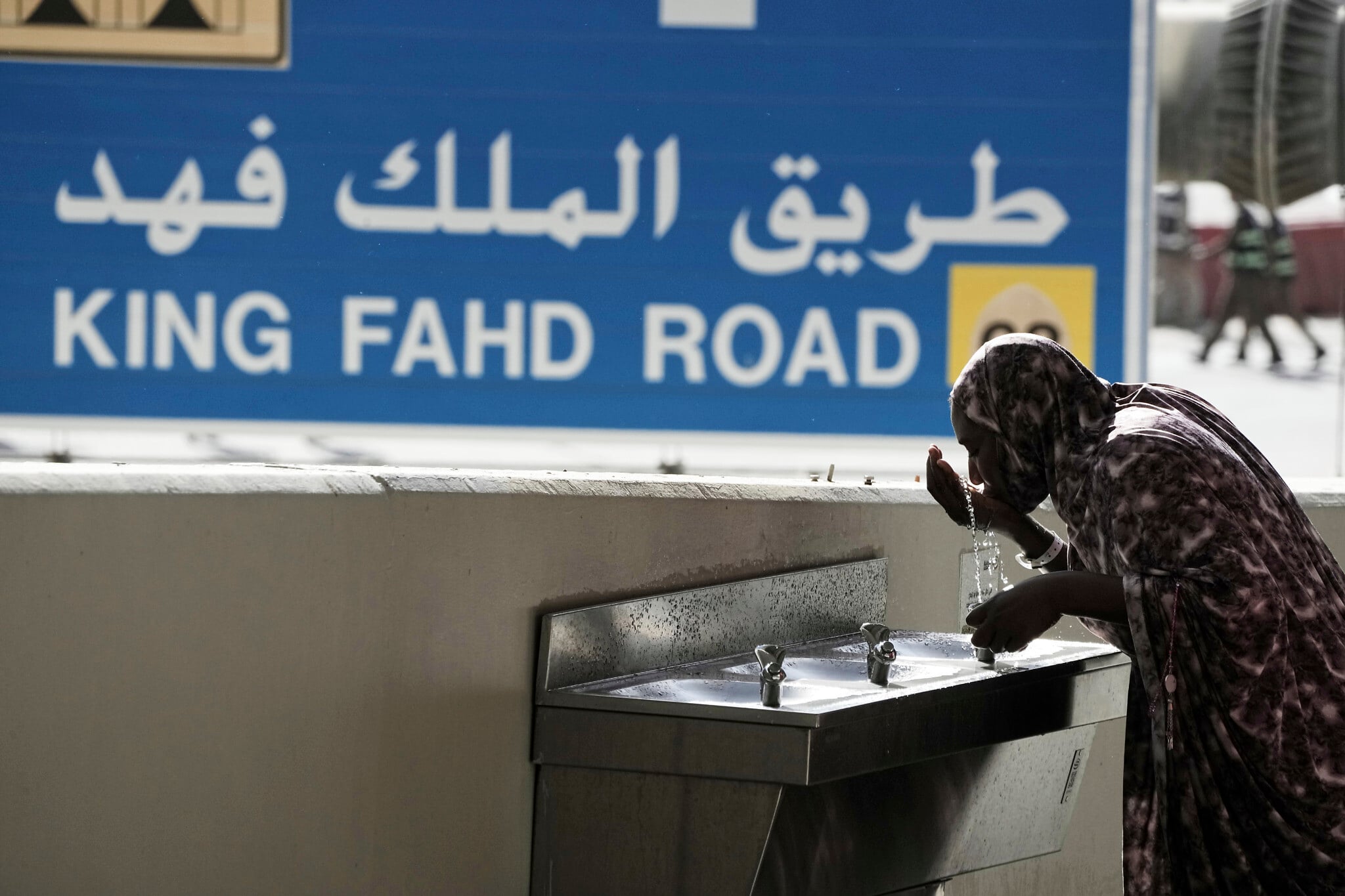
 Missile and drone strikes linked to the war involving Iran, Israel, and the United States are threatening not only oil exports in the Persian Gulf but also the desalination plants that supply drinking water to millions. In some Gulf countries, the vast majority of potable water comes from seawater processed at coastal facilities, many of which sit within range of potential attacks. Analysts warn that damage to these plants could disrupt daily life far more quickly than interruptions to energy markets.
Recent strikes have landed near or damaged facilities in the United Arab Emirates, Kuwait, Bahrain, and Iran, raising fears of cascading failures. Because many desalination plants are integrated with power stations, attacks on electrical infrastructure could also halt water production. Experts note that even limited damage to intake systems, treatment units, or energy supplies could leave major cities without reliable drinking water within days.
Governments in the region have invested in backup pipelines and storage, but vulnerabilities remain, especially in smaller states with fewer reserves. Past conflicts have shown how quickly water systems can collapse when power stations and desalination facilities are targeted, leading to long recovery periods and emergency imports.
Beyond the immediate military risks, desalination carries environmental and climate costs, including high carbon emissions and harm to marine ecosystems. As drought and rising temperatures intensify, reliance on desalination is expected to grow, deepening both the region's dependence on energy-intensive water production and its exposure to conflict-driven disruptions.