 image sourced from original article at
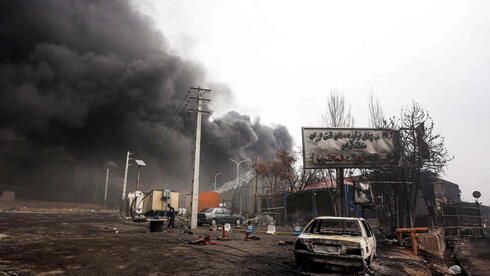
 Rising tensions between Iran and Israel have pushed oil markets on edge, with gasoline prices climbing as shippers and insurers reassess the risks of moving fuel through the Strait of Hormuz. The narrow waterway carries about 20 million barrels of oil per day and a significant share of the world’s liquefied natural gas, making it one of the most critical energy corridors globally.
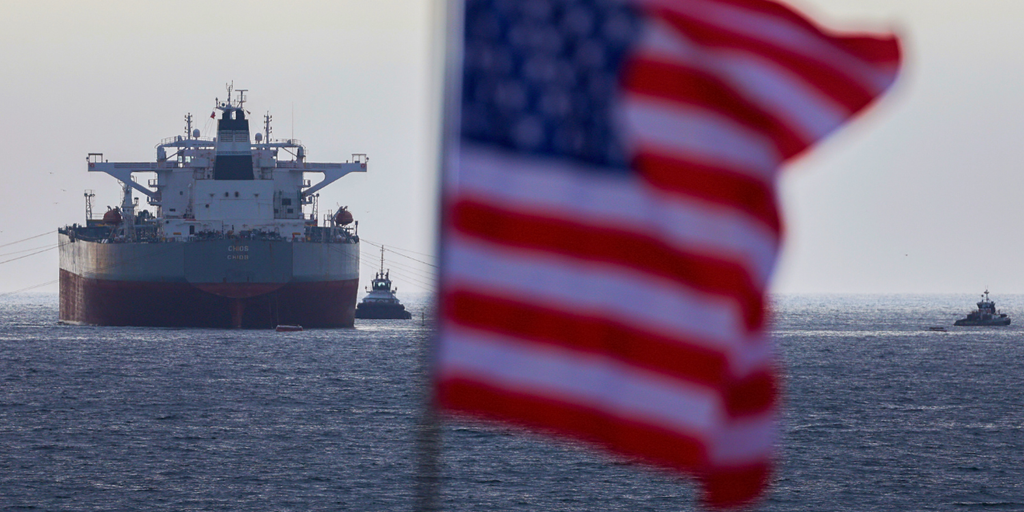
In response, President Donald Trump is considering an unusual strategy: using a government-backed insurance program to reduce war-risk premiums for vessels operating in the region. By absorbing part of the potential losses, the administration hopes to stabilize shipping costs, encourage tankers to continue sailing and prevent further spikes in fuel prices.
Insurance has become a central pressure point in the conflict. As risks increase, insurers have raised premiums or canceled coverage, prompting some major shipping companies to suspend routes through the strait. Even when coverage remains available, the threat of attack has led to delays and rerouting, tightening supply and adding upward pressure on crude prices.
How much consumers ultimately pay at the pump will depend on how long disruptions persist and whether insurance and shipping markets regain confidence. Until stability returns, the vital energy passageway is likely to keep global markets and drivers on edge.