 image sourced from original article at
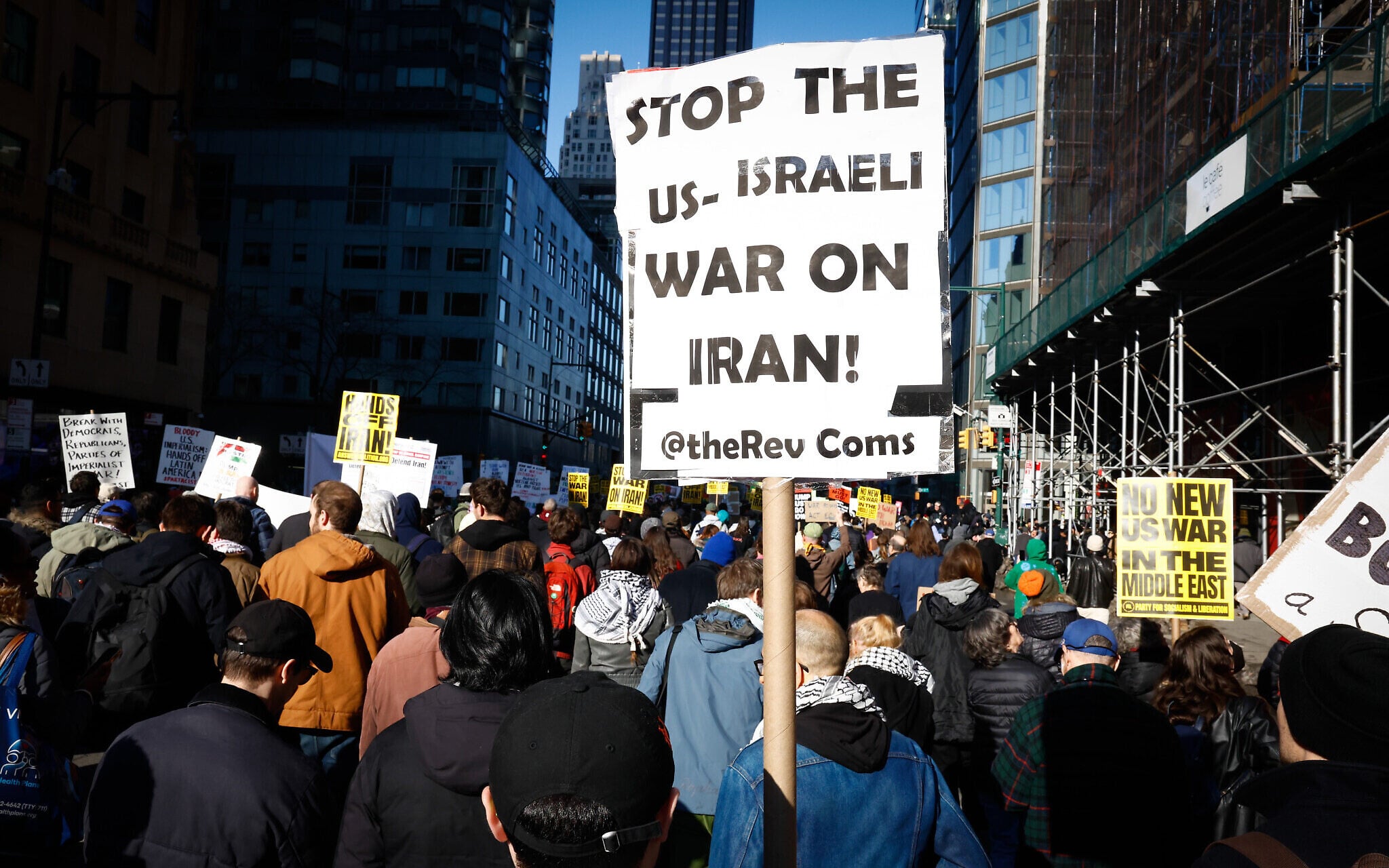
 Many American Jews who value a close alliance between the United States and Israel are grappling with the fallout from the ongoing war with Iran. While the partnership has grown stronger militarily, critics across the political spectrum are blaming Israel for drawing the United States into another Middle Eastern conflict. That backlash has coincided with a surge in antisemitic rhetoric and violence, leaving many in the Jewish community feeling exposed.
Recent incidents, including assaults and attacks on Jewish institutions, have heightened concerns that anger over the war is fueling hostility toward Jews more broadly. Some Jewish leaders argue that the conflict is unsound policy and worry that limited public support and unclear goals make Israel an easy scapegoat. Others contend that weakening Iran could ultimately bring greater regional stability and security for both Israel and the United States.
Advocates say antisemitism often spikes during Middle Eastern conflicts regardless of United States policy choices, and warn against framing Jewish identity and democratic values as mutually exclusive. For many American Jews, the best outcome would be a swift end to the war and a public discourse that avoids casting them as responsible for geopolitical decisions beyond their control.