
 image sourced from original article at
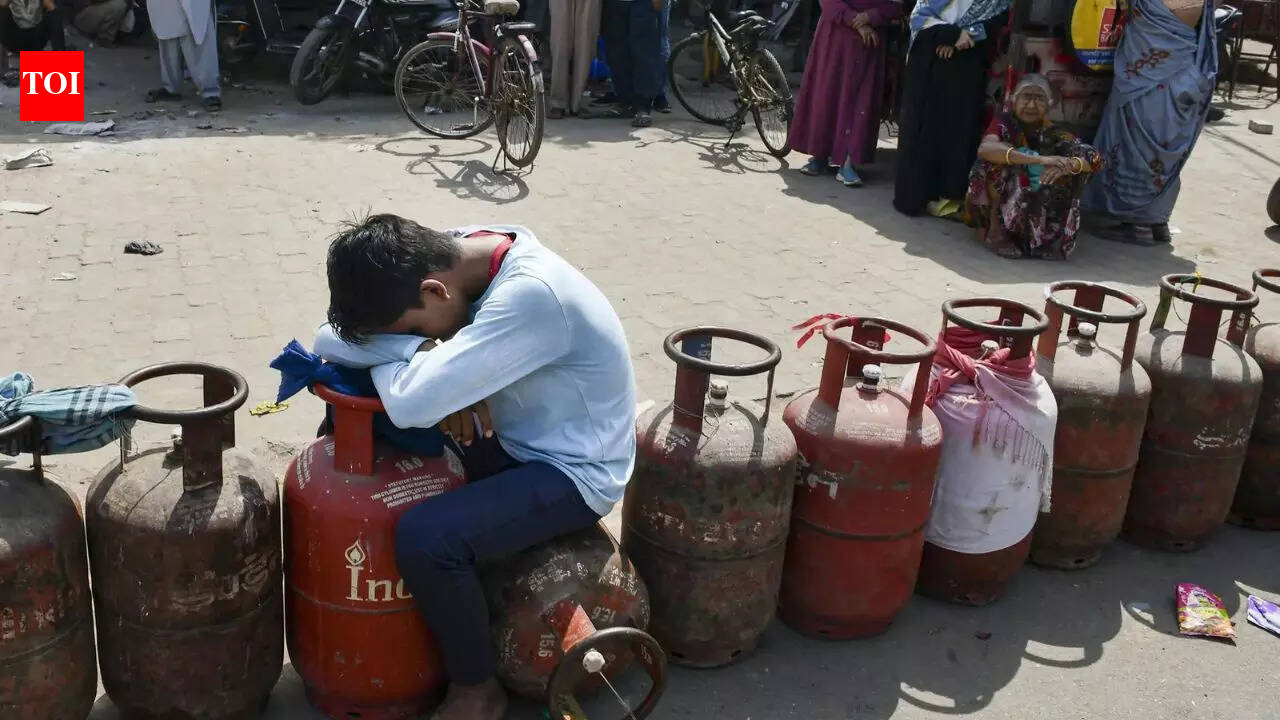
 Rising tensions in the Middle East involving Iran, Israel and the United States have begun to disrupt energy shipments through the Strait of Hormuz, a vital maritime route for global oil and cooking gas supplies. In India, the impact is being felt through sharp increases in the price and scarcity of Liquefied Petroleum Gas cylinders, which are widely used for household cooking and by small businesses. Long queues, panic bookings and reports of black marketing have emerged across major cities as consumers struggle to secure refills.
India imports a significant share of its cooking gas, with a large portion transiting through the Strait of Hormuz. Over the past two decades, demand for Liquefied Petroleum Gas has surged far beyond domestic production, making it one of the country’s most import-dependent fuels. Recent price hikes have pushed up household expenses, while commercial cylinders are reportedly being sold at nearly double their usual rates in some areas.
Restaurants, tea stalls and small manufacturers are among the hardest hit, with many cutting operations, switching to electric appliances or turning to alternative fuels. Factory canteens have simplified menus, and some migrant workers are considering returning home due to cooking difficulties. Sales of ready-to-eat and packaged foods have risen as households look for alternatives.
While government officials maintain that overall supplies remain adequate and refineries are operating at full capacity, authorities have prioritised domestic distribution and launched measures to curb hoarding. With energy markets still volatile, the humble gas cylinder has become a visible symbol of how distant geopolitical conflicts can disrupt everyday life across India.