 image sourced from original article at
 Escalating attacks between the United States, Israel and Iran have severely disrupted fuel infrastructure across the Gulf, triggering one of the most significant global energy crises in recent years. Iranian strikes on oil facilities in neighboring states, combined with damage to its own infrastructure and the near-total closure of the Strait of Hormuz, have sharply restricted the flow of crude النفط to international markets.
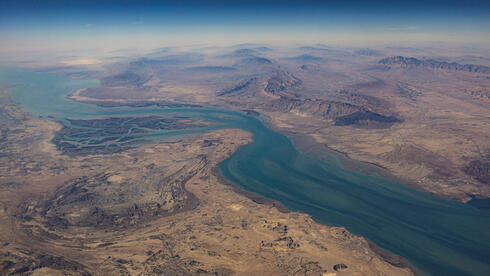
The Strait of Hormuz is a critical maritime chokepoint through which a substantial share of the world's oil supply passes. Its effective closure has sent shockwaves through energy markets, driving up fuel prices and raising fears of prolonged supply shortages. Consumers are already seeing higher costs at gas stations, while businesses brace for broader economic strain.
Rising energy prices are expected to ripple across the global economy, increasing costs in sectors ranging from tourism and transportation to food services and household utilities. As governments and energy producers search for alternative export routes, attention has turned to existing regional pipelines that could help bypass the blocked waterway and stabilize supplies.