 image sourced from original article at
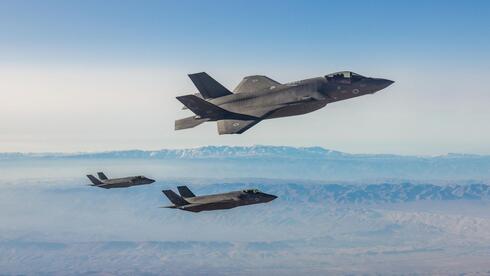
 Gulf states that long relied on diplomacy and open channels with Tehran are reassessing their approach as the war involving Iran expands across the region. Missile and drone strikes have reached energy facilities and civilian infrastructure in the Gulf, exposing vulnerabilities in oil and gas systems that underpin regional economies. Israeli and United States strikes on Iranian assets, followed by Iranian retaliation, have transformed what was seen as a contained confrontation into a broader regional crisis.
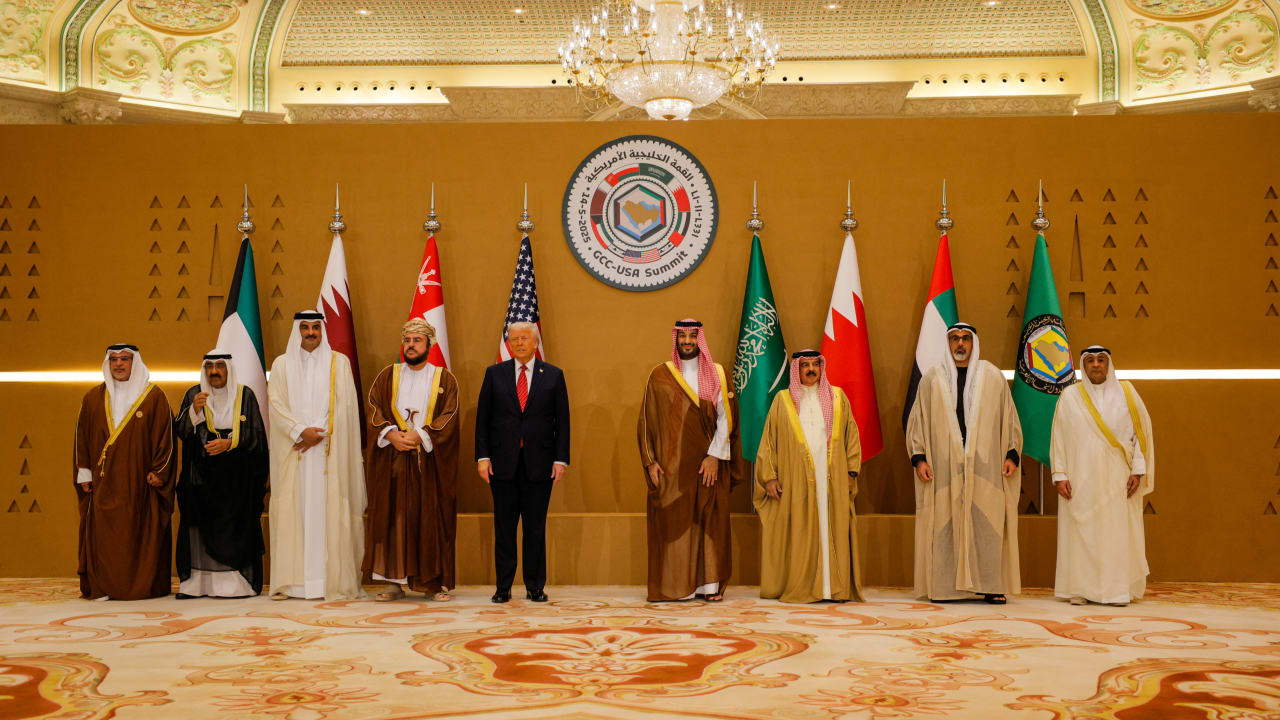
In response, Saudi Arabia convened a high-level ministerial meeting bringing together Arab and Muslim countries to coordinate positions and signal collective resolve. A joint statement condemned attacks on civilian and energy infrastructure while reaffirming the right of states to defend themselves under international law. Saudi officials emphasized that diplomacy remains important, but warned that continued aggression could prompt firmer deterrent measures, reflecting a shift toward pairing dialogue with clearer security consequences.
The escalation is also accelerating regional coordination, particularly in air defense and infrastructure protection, even as structural mistrust and political differences limit the development of a fully integrated military framework. Analysts say Gulf states are seeking a careful balance: maintaining communication with Iran while strengthening deterrence, deepening intra-Gulf economic and security ties, and avoiding steps that could draw them further into direct conflict. As attacks threaten interconnected energy systems and trade routes, the space for managing tensions without deeper involvement is steadily narrowing.