
 image sourced from original article at
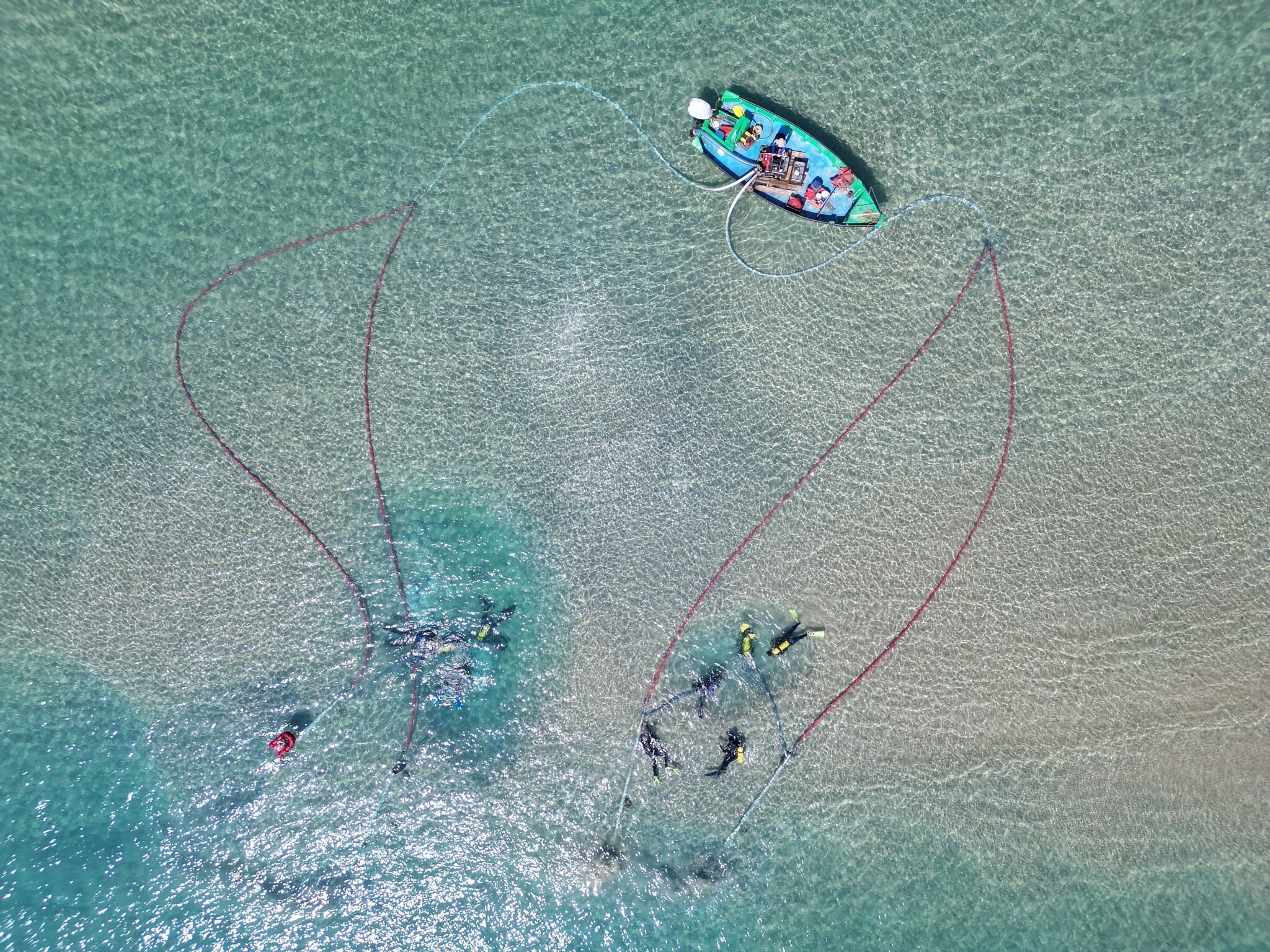
 A 2,600-year-old shipwreck discovered off Israel’s Carmel Coast is reshaping historians’ understanding of ancient iron production and trade during a turbulent era of regional conflict. Maritime archaeologists excavating near the ancient harbor of Dor found several heavy lumps that were later identified as iron blooms, a semifinished product created after smelting iron ore. Radiocarbon dating of organic remains found with the cargo places the ship in the late seventh to early sixth century Before Common Era, a time marked by struggles for control between the Assyrians, Egyptians, and Babylonians.
The discovery provides the first clear evidence that iron blooms were transported by sea as a trade commodity. Until now, scholars believed iron was processed into finished billets immediately after smelting and then traded. Finding intact blooms aboard a ship suggests that iron production and blacksmithing could take place in separate locations, indicating a more complex and specialized supply chain than previously understood.
Because iron was essential for weapons such as swords and arrowheads, as well as for agricultural tools, the cargo may have been destined for military or industrial use during a period of near-constant warfare. The blooms were remarkably well preserved, likely because their outer slag layer protected them from corrosion underwater. Researchers hope further testing will reveal the geographic origin of the iron and shed more light on Iron Age trade networks across the Mediterranean and the Southern Levant.