
 image sourced from original article at
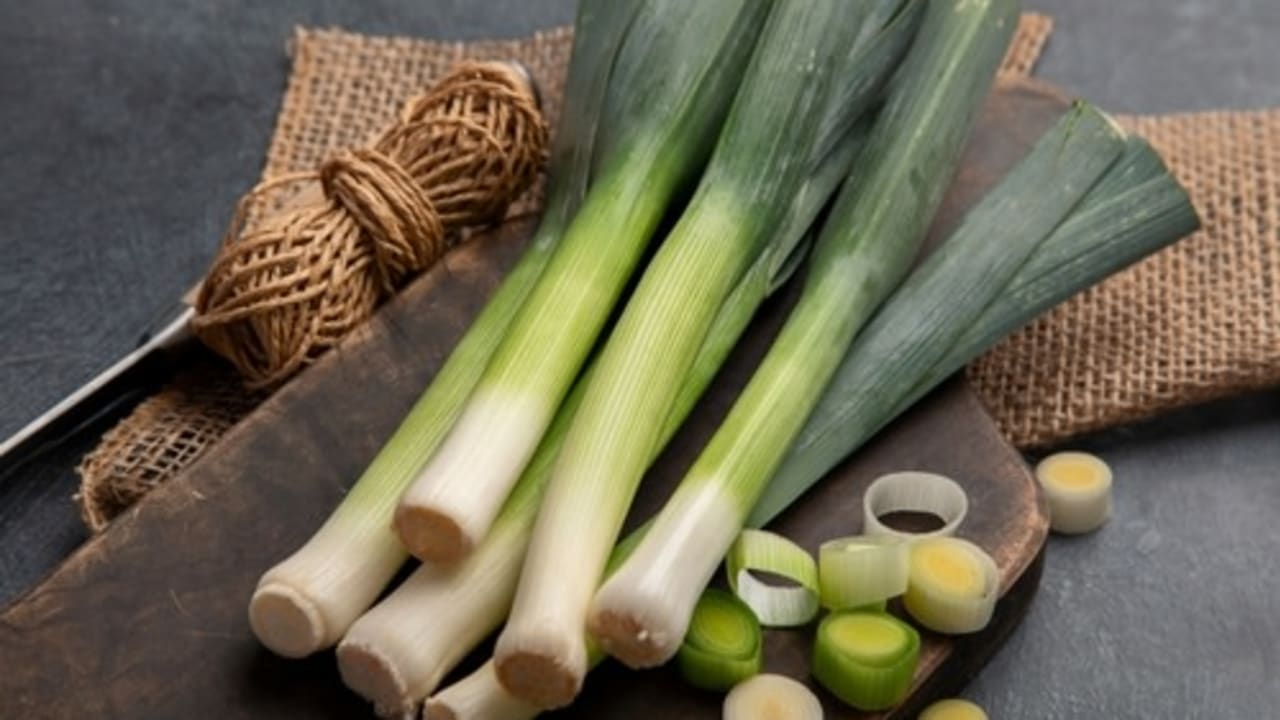
 Leek, a common vegetable on many Passover tables, offers a range of nutritional benefits that extend well beyond the holiday. With its mild, slightly sweet flavor, it provides a gentler alternative to onion and garlic while still delivering valuable vitamins, minerals, and plant compounds.
Rich in folic acid, antioxidants, and prebiotic fibers, leek supports brain function, the nervous system, and gut health. The prebiotic fiber inulin helps nourish beneficial gut bacteria, which are linked not only to digestion but also to immune function, mood, and the body’s response to stress.
Leek may also contribute to heart health. It contains potassium, fiber, and sulfur compounds that can help balance blood pressure, reduce inflammation, and lower levels of bad cholesterol. While it is not a disease prevention food on its own, it can play an important role as part of a balanced, healthy diet.
Low in calories and high in vitamin C, vitamin K, iron, magnesium, and other essential nutrients, leek is easy to incorporate into soups, casseroles, salads, and sautéed dishes. Its nutritional profile and versatility make it a beneficial addition to meals throughout the year, not just during Passover.