 image sourced from original article at
 Gulf states are hardening their positions against Iran as the economic impact of the ongoing war deepens, particularly due to the closure of the Strait of Hormuz. The United Arab Emirates has taken a leading role in publicly demanding that any end to the conflict go beyond a simple ceasefire and permanently address Iran’s nuclear program, missile and drone capabilities, and its ability to threaten regional security and global shipping routes.
The closure of the Strait of Hormuz, through which roughly one fifth of global oil consumption passes, has sharply disrupted exports and imports across the region. Oil prices have surged above 100 dollars per barrel, and natural gas prices in Europe have risen significantly. Gulf economies, heavily dependent on energy exports and imports of industrial materials and food, have faced production shutdowns, trade bottlenecks, and direct damage to infrastructure from Iranian strikes.
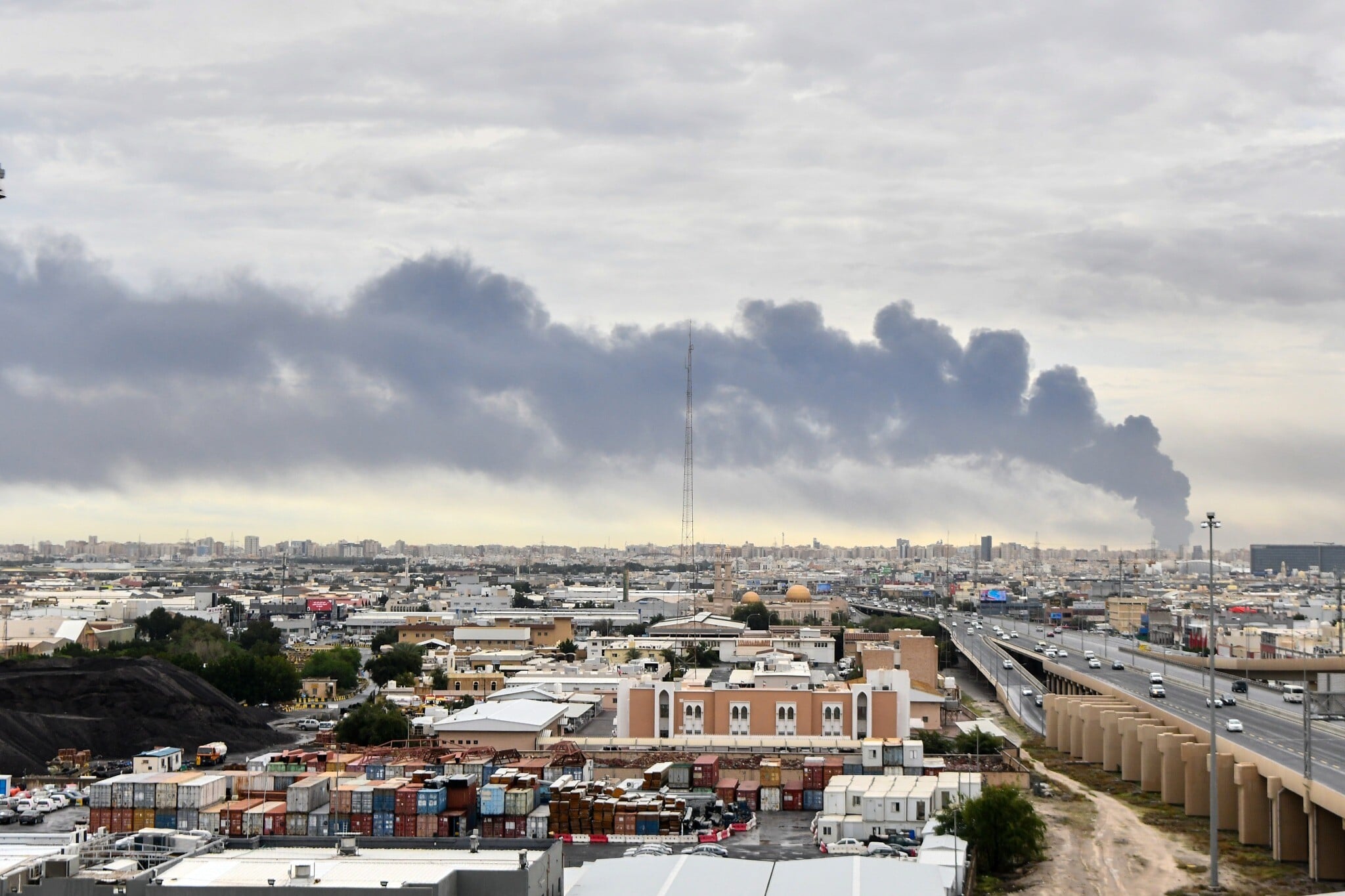
Recent attacks on refineries, aluminum plants, ports, and desalination facilities in Saudi Arabia, the United Arab Emirates, and Kuwait have intensified concerns. While some Gulf countries continue to voice support for diplomacy, their messaging increasingly stresses that Iran must be prevented from threatening the strait and regional stability in the future. Reports suggest Saudi Arabia and the United Arab Emirates may even consider joining the conflict if negotiations fail to secure these goals.
As the United States pursues talks aimed at ending the war, Gulf leaders appear wary of any agreement that leaves Iran with the capacity to disrupt energy flows or project military power. The mounting economic toll has shifted the regional stance from cautious positioning to firmer, and in some cases more confrontational, demands for a decisive outcome.