 image sourced from original article at
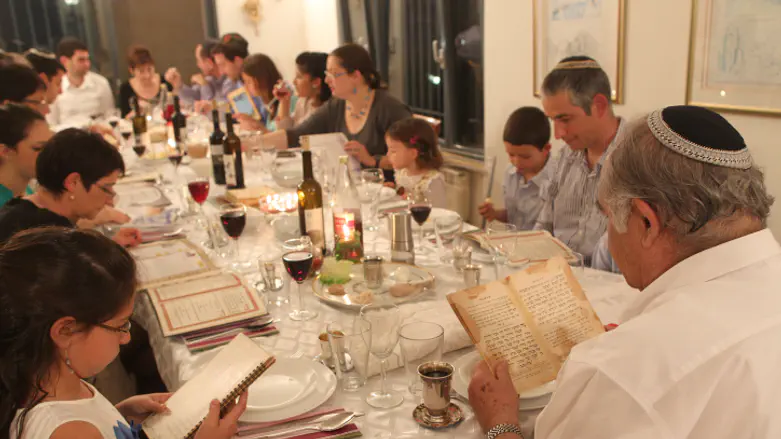
 The Pesach Haggadah weaves together striking contrasts of sorrow and celebration, most notably in the phrase 'from mourning to a festival day.' The article suggests this juxtaposition reflects a historical reality: during the Plague of Darkness, many Israelites perished, and surviving families may have risen from mourning just as they prepared to celebrate the first Seder. Their joy at impending redemption was thus intertwined with grief, fear, and uncertainty as they publicly defied Egyptian idolatry and marked their homes in faith.
This tension may also explain why the Hallel prayer at the Seder is uniquely divided into two parts without the usual blessings. Rather than expressing unrestrained jubilation, the broken recitation mirrors the mixed emotions of a people experiencing both loss and liberation. Even as they praised the Almighty for freedom, they likely carried heartbreak for those who did not survive, creating a ritual structure that honors emotional complexity.
The article connects this ancient duality to modern Jewish experience, from national days of remembrance and independence in Israel to personal stories of loss occurring alongside sacred celebrations. Drawing on memories of Holocaust survivors who rebuilt families and preserved tradition despite unimaginable suffering, the author highlights the resilience, compassion, and faith embedded in the Seder. Ultimately, Pesach emerges as a testament to endurance, communal responsibility, hospitality, and the enduring capacity to transform mourning into renewed hope.