 image sourced from original article at
 The article examines an unusual custom surrounding the haftarah readings for the Torah portions Acharei Mot and Kedoshim. Although classical legal sources prescribe harsh prophetic rebukes from the Book of Ezekiel for these weeks, Ashkenazi communities traditionally read instead from the Book of Amos, a passage that tempers criticism with a vision of redemption. This practice appears to override both the standard assigned readings and the general rule that, when portions are combined, the haftarah follows the second portion.
Rabbinic authorities explain that the deviation reflects discomfort with publicly proclaiming severe condemnations of the people of Israel and Jerusalem. Early sources record objections to reading passages that sharply denounce Jerusalem’s moral failings, and later legal codes affirm the preference for the more consoling selection from Amos. Even in rare cases when the portions are read separately, some authorities reluctantly return to the harsher text, while others resist doing so.
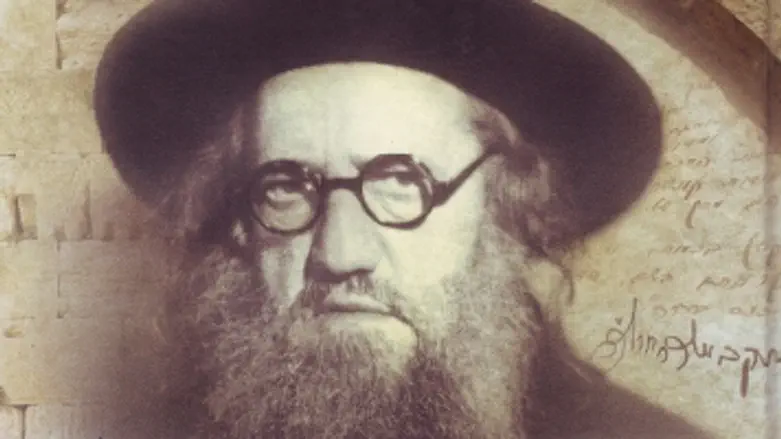
In early twentieth century Jerusalem, leading rabbis insisted that no haftarah speaking ill of Jerusalem should ever be read publicly, even if it meant repeating the same passage two weeks in a row. A story about a Torah reader who avoided potentially reciting words of rebuke underscores the emotional and spiritual weight of this concern. The article concludes that this longstanding tradition reflects a broader principle: the defense of the dignity and integrity of Jerusalem and the Jewish people, especially in times of hardship and sacrifice.