
 image sourced from original article at
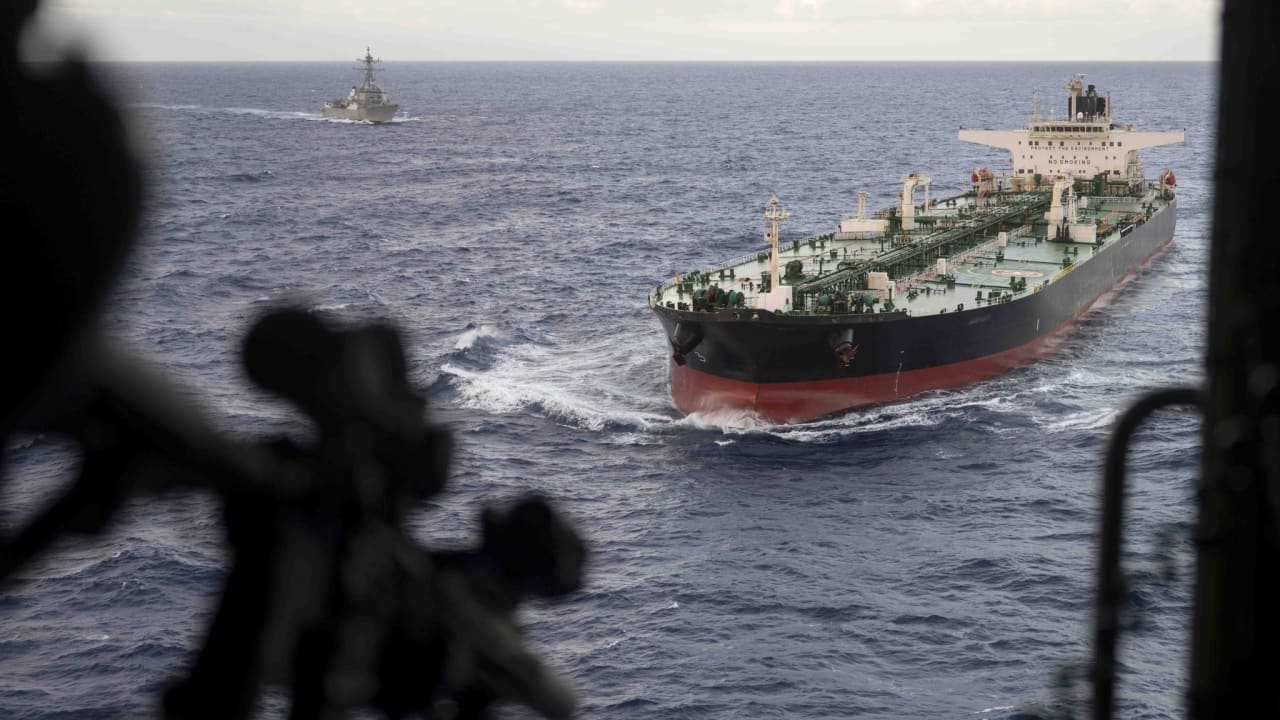
 Western intelligence officials estimate that Iran could exhaust its oil storage capacity within 15 to 60 days as a United States naval blockade sharply restricts its exports. With tankers largely unable to leave Iranian ports, nearly all newly produced crude must be stored on land or in floating storage at sea. Officials say the blockade has effectively halted most oil trade into and out of the country.
Iran is relying on onshore facilities and large crude carriers to hold excess supply, but questions remain about how long it can safely continue using aging vessels for storage. Some sanctioned tankers are reportedly disguising themselves as Iraqi ships to evade enforcement and continue limited exports. Despite these efforts, analysts believe available storage space will eventually be depleted if restrictions persist.
Once storage is full, Iran may be forced to shut down oil wells, a move that could cause lasting economic damage if production cannot be quickly restored. Some experts argue Iran has improved its ability to restart wells after shutdowns, while others warn prolonged closures could take years to reverse. The pressure could influence future negotiations, though analysts note that Iran has historically demonstrated a high tolerance for economic strain.